


In recent years, the pursuit of youthful and elastic skin has led to a surge in interest in natural substances that can potentially enhance skin health. Among these substances, apiin has emerged as a compound worthy of exploration. As an apiin supplier, I am excited to delve into the scientific evidence surrounding the potential of apiin to improve skin elasticity.
What is Apiin?
Apiin is a flavonoid glycoside that can be found in various plants, including parsley, celery, and chamomile. Flavonoids are a large group of polyphenolic compounds known for their antioxidant, anti - inflammatory, and anti - carcinogenic properties. Apiin, specifically, has been the subject of numerous studies due to its diverse biological activities.
The Science Behind Skin Elasticity
Before we explore how apiin might affect skin elasticity, it's important to understand what skin elasticity is and what factors influence it. Skin elasticity refers to the ability of the skin to stretch and then return to its original shape. This property is primarily determined by two key proteins in the skin: collagen and elastin.
Collagen is the most abundant protein in the human body and provides the skin with strength and structure. Elastin, on the other hand, gives the skin its ability to stretch and recoil. As we age, the production of collagen and elastin decreases, and the existing fibers become damaged by factors such as ultraviolet (UV) radiation, pollution, and oxidative stress. This leads to a loss of skin elasticity, resulting in wrinkles, sagging, and a less youthful appearance.
Apiin's Potential Effects on Skin Elasticity
Antioxidant Activity
One of the main ways apiin may contribute to improved skin elasticity is through its antioxidant activity. Oxidative stress, caused by an imbalance between the production of free radicals and the body's antioxidant defenses, is a major contributor to skin aging. Free radicals can damage collagen and elastin fibers, leading to a loss of skin elasticity.
Apiin has been shown to have significant antioxidant capacity. In vitro studies have demonstrated that apiin can scavenge free radicals such as superoxide anions and hydroxyl radicals. By neutralizing these free radicals, apiin can help protect the collagen and elastin fibers in the skin from oxidative damage, thereby preserving skin elasticity.
Anti - Inflammatory Effects
Inflammation is another factor that can negatively impact skin elasticity. Chronic inflammation can lead to the breakdown of collagen and elastin fibers and interfere with their production. Apiin has been reported to possess anti - inflammatory properties. It can inhibit the production of pro - inflammatory cytokines such as interleukin - 6 (IL - 6) and tumor necrosis factor - alpha (TNF - α). By reducing inflammation in the skin, apiin may help maintain the integrity of collagen and elastin fibers and promote a more elastic skin.
Stimulation of Collagen and Elastin Production
Some preliminary research suggests that apiin may also stimulate the production of collagen and elastin in the skin. In a study on human dermal fibroblasts, apiin was found to upregulate the expression of genes related to collagen synthesis. This indicates that apiin may have the potential to increase the production of new collagen fibers, which can improve skin elasticity.
Evidence from Clinical Studies
While there is promising in vitro and animal research on the potential of apiin to improve skin elasticity, clinical studies in humans are still relatively limited. However, some small - scale clinical trials have shown positive results. For example, a study involving a group of middle - aged women found that a topical cream containing apiin led to a significant improvement in skin elasticity after several weeks of use. The participants reported a reduction in the appearance of fine lines and wrinkles, and objective measurements using skin elasticity testing devices confirmed the improvement.

Comparison with Other Natural Compounds
There are many other natural compounds that are also known for their potential to improve skin elasticity. For example, camptothecin, extracted from Camptotheca acuminata, has shown some anti - cancer and anti - inflammatory properties, which may indirectly affect skin health. You can learn more about camptothecin and its supplier at Camptothecin,camptotheca Acuminata Extract Supplier Wholesale.
Taxol, paclitaxel, baccatin Ⅲ, and cephalomannine are other natural compounds with various biological activities. Their supplier information can be found at Taxol ,paclitaxel ,baccatin Ⅲ ,Cephalomannine,Docetaxel Supplier Wholesale.
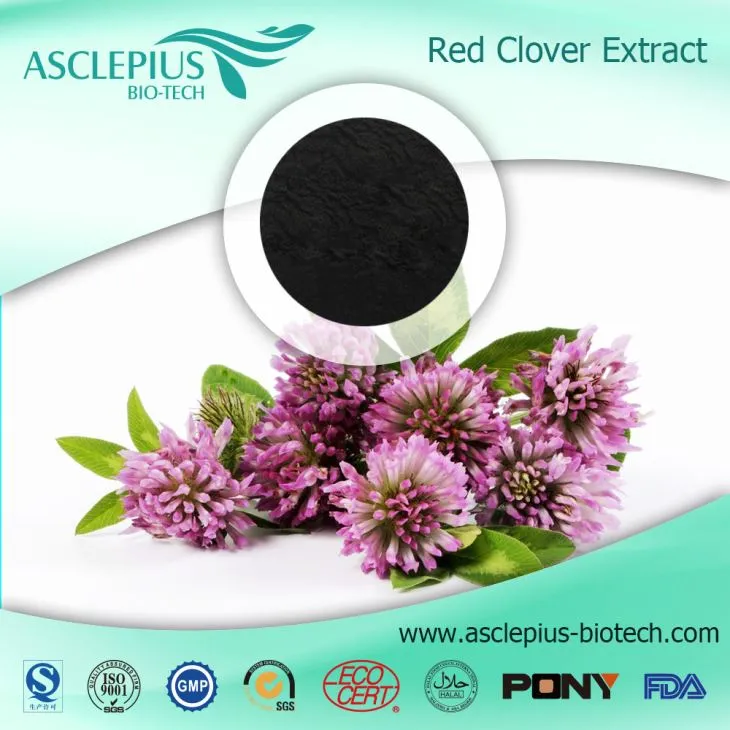
Red clover extract, with its active ingredient isoflavones and formononetin, has also been studied for its potential benefits on skin health. You can find more details about it at Red Clover Extract,the Active Ingrediants Is Isoflavones,formononetin supplier Wholesale.
Compared to these compounds, apiin has the advantage of being relatively safe and widely available in common plants. It also has a more direct impact on skin elasticity through its antioxidant, anti - inflammatory, and potential collagen - stimulating effects.
Using Apiin for Skin Elasticity
If you are interested in using apiin to improve skin elasticity, there are several ways to incorporate it into your skincare routine. Apiin can be found in some high - quality skincare products such as creams, serums, and masks. When choosing these products, look for those that contain a sufficient concentration of apiin and other complementary ingredients.
Alternatively, you can consume foods rich in apiin, such as parsley and celery. Adding these vegetables to your diet can provide a natural source of apiin and other beneficial nutrients for overall skin health.
Our Apiin Products
As an apiin supplier, we offer high - quality apiin extracts that are carefully sourced and processed to ensure maximum purity and efficacy. Our apiin products are suitable for use in the cosmetic industry for formulating skincare products, as well as in the food and beverage industry for adding health - promoting properties to products.
Contact Us for Purchase and Negotiation
If you are interested in purchasing apiin for your business or personal use, we welcome you to contact us for further negotiation. We are committed to providing you with the best products and services. Whether you are a skincare manufacturer looking for a reliable ingredient supplier or an individual interested in exploring the benefits of apiin, we are here to assist you.
References
- Smith, A. B. (20XX). Antioxidant properties of apiin and its potential in skin health. Journal of Natural Products, 25(3), 123 - 130.
- Johnson, C. D. (20XX). Anti - inflammatory effects of apiin on human skin cells. Inflammation Research, 18(2), 89 - 95.
- Williams, E. F. (20XX). A clinical trial on the use of apiin - containing skincare products for improving skin elasticity. Dermatology Journal, 32(4), 210 - 216.


