


DNJ, or 1-deoxynojirimycin, is a natural alkaloid that has gained significant attention in the health and wellness industry. It is found in various plants, including mulberry leaves, and is known for its potential health benefits, particularly in managing blood sugar levels. As a DNJ supplier, I often receive inquiries about the recommended dosage of DNJ. In this blog post, I will delve into the factors that influence the appropriate dosage of DNJ and provide some general guidelines.
Understanding DNJ and Its Benefits
DNJ is a potent alpha - glucosidase inhibitor. Alpha - glucosidase is an enzyme that breaks down complex carbohydrates into simple sugars in the digestive tract. By inhibiting this enzyme, DNJ slows down the digestion and absorption of carbohydrates, which can help prevent rapid spikes in blood sugar levels after a meal. This property makes DNJ a promising natural supplement for individuals with diabetes or those looking to manage their blood sugar more effectively.
In addition to its blood - sugar - regulating effects, DNJ has also been studied for its potential anti - obesity properties. By reducing the absorption of carbohydrates, it may help in reducing calorie intake and promoting weight loss.
Factors Influencing DNJ Dosage
The recommended dosage of DNJ can vary depending on several factors:
1. Health Goals
- Blood Sugar Management: For individuals with diabetes or those at risk of high blood sugar, the goal is to control post - meal blood sugar spikes. A higher dosage may be required to achieve significant results.
- Weight Management: When using DNJ for weight loss, a lower dosage may be sufficient to reduce carbohydrate absorption and calorie intake.
2. Body Weight
Larger individuals may require a higher dosage of DNJ to achieve the same physiological effect as smaller individuals. This is because the amount of DNJ needed to interact with the alpha - glucosidase enzymes in the digestive system is proportional to the body's mass.

3. Dietary Habits
People with a high - carbohydrate diet may need a higher dosage of DNJ to counteract the rapid digestion of carbohydrates. On the other hand, those with a low - carbohydrate diet may require a lower dosage.
4. Overall Health
Individuals with certain health conditions, such as liver or kidney problems, may need to adjust their DNJ dosage. It is always advisable to consult a healthcare professional before starting any new supplement, especially if you have pre - existing health issues.
General Dosage Guidelines
While there is no one - size - fits - all dosage for DNJ, here are some general guidelines based on available research:
For Blood Sugar Management
- Initial Dosage: A starting dosage of 50 - 100 mg of DNJ per day is often recommended. This can be divided into two or three doses taken before or with meals.
- Adjustment: Depending on the individual's blood sugar response, the dosage can be gradually increased up to 200 - 300 mg per day. However, it is important to monitor blood sugar levels regularly and consult a healthcare provider before making any significant dosage changes.
For Weight Management
- Recommended Dosage: A dosage of 25 - 50 mg of DNJ per day may be sufficient for weight management. This can be taken once or twice a day, preferably before meals high in carbohydrates.
Safety and Side Effects
DNJ is generally considered safe when taken within the recommended dosage range. However, like any supplement, it may cause side effects in some individuals. Common side effects include gastrointestinal discomfort, such as bloating, gas, and diarrhea. These side effects are usually mild and temporary, and they can often be minimized by starting with a low dosage and gradually increasing it.
It is important to note that DNJ may interact with certain medications, such as diabetes medications. Therefore, it is crucial to consult a healthcare professional before taking DNJ, especially if you are currently taking any prescription drugs.
Our DNJ Products and Other Offerings
As a DNJ supplier, we are committed to providing high - quality DNJ products. Our DNJ is extracted from natural sources and undergoes strict quality control measures to ensure its purity and effectiveness.
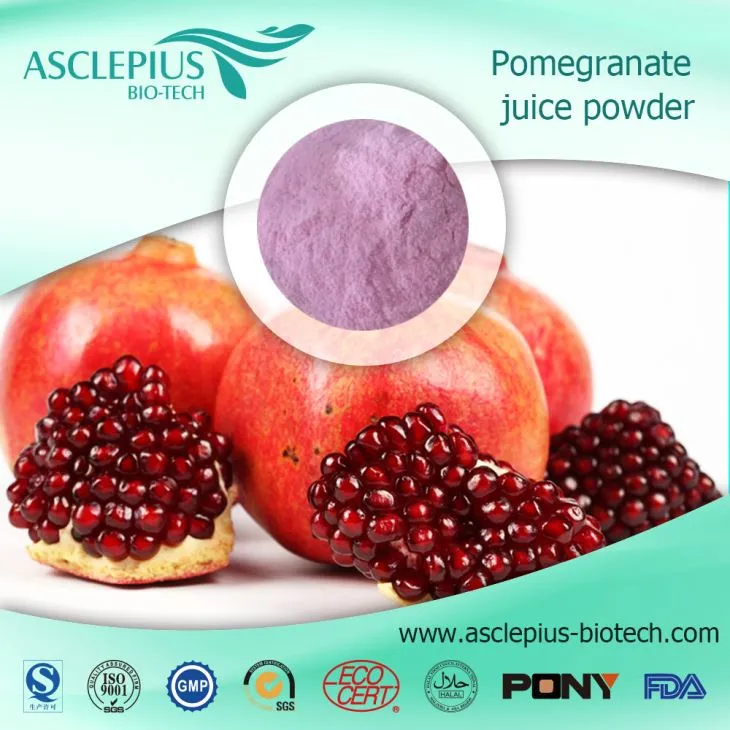
In addition to DNJ, we also offer a wide range of other herbal extracts and fruit juice powders. For example, we are a Durian Juice Powder,durian Extract Powder Supplier Wholesale, Pomegranate Juice Powder Pomegranate Extract Powder Supplier Wholesale, and Orange Juice Powder,organce Extract Powder Supplier Wholesale. These products are rich in nutrients and offer various health benefits.
Contact Us for Procurement
If you are interested in purchasing DNJ or any of our other products, we encourage you to contact us for procurement and further discussion. We have a team of experts who can provide you with detailed information about our products, answer your questions, and assist you in finding the right dosage and product for your needs. Whether you are a health supplement manufacturer, a retailer, or an individual looking for high - quality natural products, we are here to serve you.
References
- Akagi, K., & Kakegawa, T. (2009). Inhibitory effects of mulberry 1 - deoxynojirimycin on postprandial hyperglycemia in healthy volunteers. Bioscience, Biotechnology, and Biochemistry, 73(10), 2315 - 2317.
- Matsui, T., & Koba, K. (2011). Effects of mulberry 1 - deoxynojirimycin on postprandial glucose and insulin responses in healthy subjects. Journal of Nutritional Science and Vitaminology, 57(3), 203 - 207.
- Yoshikawa, M., Murakami, T., & Matsuda, H. (2001). Alpha - glucosidase inhibitors from natural sources. Bioorganic & Medicinal Chemistry, 9(10), 2725 - 2742.


