


In the realm of skincare, the quest for effective anti - inflammatory solutions is ever - present. One substance that has been garnering attention in recent years is apiin. As a proud supplier of apiin, I am eager to explore the question: Can apiin reduce skin inflammation?
Understanding Skin Inflammation
Skin inflammation is a complex biological response to harmful stimuli, such as pathogens, damaged cells, or irritants. It is characterized by redness, swelling, heat, pain, and sometimes loss of function. Chronic inflammation of the skin can lead to various dermatological conditions, including acne, eczema, psoriasis, and rosacea.

Traditional treatments for skin inflammation often involve the use of corticosteroids, anti - histamines, or immunosuppressive drugs. While these medications can be effective, they also come with potential side effects, such as skin thinning, increased susceptibility to infections, and systemic adverse reactions. This has led many consumers to seek natural alternatives that can provide anti - inflammatory benefits with fewer risks.
What is Apiin?
Apiin is a flavonoid glycoside that is found in various plants, most notably parsley (Petroselinum crispum) and celery (Apium graveolens). Flavonoids are a large group of polyphenolic compounds that are known for their antioxidant, anti - inflammatory, and anti - microbial properties. Apiin consists of an apigenin aglycone (a flavone) linked to a sugar molecule (usually glucose or apiose).
The chemical structure of apiin is crucial to its biological activity. The flavone backbone provides antioxidant capacity by scavenging free radicals, which are unstable molecules that can cause oxidative stress and damage to cells. The sugar moiety can enhance the solubility and bioavailability of apiin, allowing it to be more easily absorbed and utilized by the body.
The Science Behind Apiin's Anti - Inflammatory Effects
Numerous in vitro and in vivo studies have investigated the anti - inflammatory potential of apiin. At the cellular level, apiin has been shown to modulate the activity of various signaling pathways involved in the inflammatory response.
One of the key pathways targeted by apiin is the nuclear factor - kappa B (NF - κB) pathway. NF - κB is a transcription factor that plays a central role in regulating the expression of pro - inflammatory cytokines, such as tumor necrosis factor - alpha (TNF - α), interleukin - 1 beta (IL - 1β), and interleukin - 6 (IL - 6). When activated, NF - κB translocates to the nucleus and binds to specific DNA sequences, promoting the transcription of genes involved in inflammation. Apiin has been reported to inhibit the activation of NF - κB, thereby reducing the production of pro - inflammatory cytokines.
In addition to targeting NF - κB, apiin also affects other signaling molecules and enzymes. For example, it can inhibit the activity of cyclooxygenase - 2 (COX - 2), an enzyme that is responsible for the synthesis of prostaglandins, which are lipid mediators of inflammation. By inhibiting COX - 2, apiin can reduce the production of prostaglandins, leading to a decrease in inflammation and pain.
Animal studies have also provided evidence of apiin's anti - inflammatory effects. In a mouse model of skin inflammation induced by 12 - O - tetradecanoylphorbol - 13 - acetate (TPA), topical application of apiin was found to reduce the thickness of the epidermis, the number of inflammatory cells infiltrating the skin, and the production of pro - inflammatory cytokines. These findings suggest that apiin has the potential to alleviate skin inflammation in vivo.
Apiin in Skincare Products
Given its anti - inflammatory properties, apiin has become an attractive ingredient in skincare formulations. Skincare products containing apiin can be used to treat a variety of inflammatory skin conditions, as well as to soothe and calm irritated skin.
Apiin can be incorporated into creams, lotions, serums, and masks. When formulated correctly, these products can deliver apiin to the skin effectively, allowing it to exert its anti - inflammatory effects. For example, a serum containing apiin can penetrate deeply into the skin layers, targeting the underlying inflammatory processes.
In addition to its anti - inflammatory benefits, apiin also has antioxidant properties that can help protect the skin from environmental damage. Oxidative stress caused by UV radiation, pollution, and other factors can accelerate the aging process and contribute to the development of skin inflammation. By scavenging free radicals, apiin can help maintain the health and integrity of the skin.
Other Natural Anti - Inflammatory Ingredients in Conjunction with Apiin
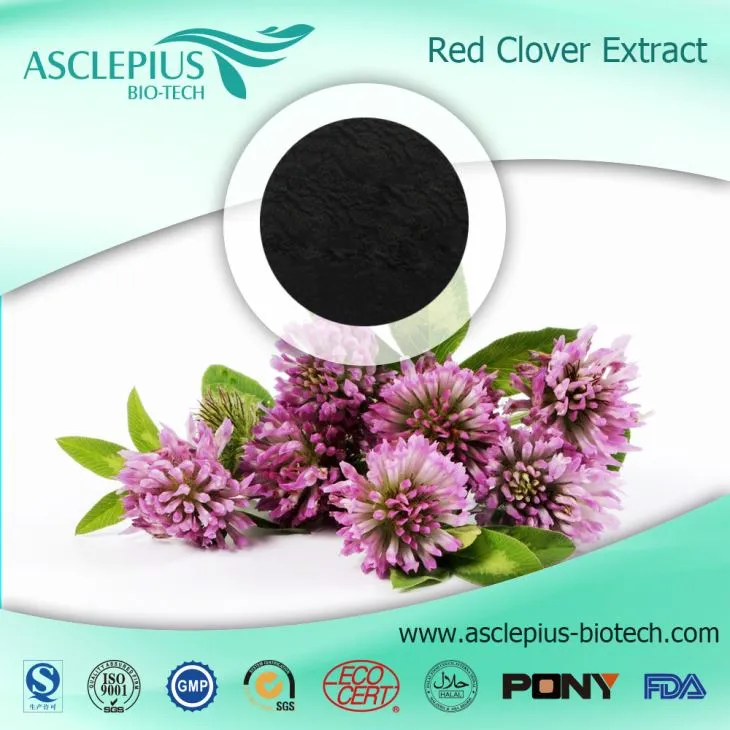
While apiin shows great promise as an anti - inflammatory agent, it can also be combined with other natural ingredients to enhance its effectiveness. For example, Red Clover Extract,the Active Ingrediants Is Isoflavones,formononetin supplier Wholesale contains isoflavones, which have been shown to have anti - inflammatory and antioxidant properties. The combination of apiin and red clover extract may provide a more comprehensive approach to treating skin inflammation.
Rosemary Leaf Extract Supplement Supplier Wholesale/ Rosmarinic Acid is another natural ingredient that can be paired with apiin. Rosmarinic acid, the main active component of rosemary leaf extract, has strong anti - inflammatory and antibacterial properties. When used together with apiin, it can help reduce inflammation and prevent infection in the skin.
Shiitake Mushroom Extract Powder,organic Shiitake Mushrooms Powder Supplier Wholesale is rich in polysaccharides and other bioactive compounds that have immunomodulatory and anti - inflammatory effects. Incorporating shiitake mushroom extract into apiin - based skincare products can further enhance their ability to soothe and repair inflamed skin.
Considerations for Using Apiin in Skincare
Although apiin is generally considered safe for topical use, there are some considerations to keep in mind. As with any new skincare ingredient, it is recommended to perform a patch test before using a product containing apiin on a larger area of the skin. This can help identify any potential allergic reactions or skin sensitivities.
The concentration of apiin in skincare products is also an important factor. While higher concentrations may provide more potent anti - inflammatory effects, they may also increase the risk of skin irritation. Therefore, it is essential to use products with an appropriate concentration of apiin, which should be determined based on the specific skin condition and individual tolerance.
Conclusion
In conclusion, the available scientific evidence suggests that apiin has the potential to reduce skin inflammation. Its ability to modulate key signaling pathways involved in the inflammatory response, along with its antioxidant properties, makes it a promising ingredient in skincare. Whether used alone or in combination with other natural anti - inflammatory ingredients, apiin can provide a natural and effective solution for those suffering from inflammatory skin conditions.
If you are interested in exploring the benefits of apiin for your skincare formulations, I invite you to contact me for further information and to discuss potential procurement opportunities. I am committed to providing high - quality apiin products that meet the needs of your business.
References
- Lee, J. H., & Lee, J. S. (2018). Anti - inflammatory effects of apigenin and its glycosides in LPS - stimulated RAW264.7 macrophages. Food Science and Biotechnology, 27(3), 797 - 803.
- Yang, J., et al. (2015). Apiin inhibits 12 - O - tetradecanoylphorbol - 13 - acetate - induced skin inflammation in mice. Journal of Ethnopharmacology, 171, 178 - 184.
- Choi, Y. H., & Lee, H. J. (2012). Anti - inflammatory activity of apigenin and its glycosides isolated from Petroselinum crispum on lipopolysaccharide - stimulated RAW264.7 macrophages. Journal of Medicinal Food, 15(10), 874 - 880.


