


Coenzyme Q10, commonly known as CoQ10, is a naturally occurring compound found in every cell of the human body. It plays a crucial role in energy production within the mitochondria, the powerhouses of our cells. In recent years, there has been growing interest in the potential health benefits of CoQ10, including its possible impact on lung function. As a CoQ10 supplier, I am particularly interested in exploring the scientific evidence behind this claim and sharing the findings with you.
The Basics of CoQ10
Before delving into its potential effects on lung function, let's first understand what CoQ10 is and how it functions in the body. CoQ10 exists in two forms: ubiquinone, the oxidized form, and ubiquinol, the reduced form. Ubiquinol is the active form that is directly involved in the electron transport chain, a process that generates adenosine triphosphate (ATP), the primary energy currency of the cell.
The body can synthesize CoQ10, but its production decreases with age, and certain factors such as stress, illness, and the use of specific medications can also reduce its levels. CoQ10 can also be obtained through diet, with good sources including meat, fish, and nuts. However, it can be challenging to meet the recommended intake through diet alone, especially for older adults or those with certain health conditions. This is where CoQ10 supplements come in.
CoQ10 and Oxidative Stress in the Lungs
The lungs are constantly exposed to various environmental pollutants, toxins, and pathogens. These external factors can generate reactive oxygen species (ROS), which are highly reactive molecules that can cause oxidative damage to cells and tissues. Oxidative stress occurs when there is an imbalance between the production of ROS and the body's antioxidant defenses.
CoQ10 is a powerful antioxidant that can neutralize ROS and protect cells from oxidative damage. In the lungs, oxidative stress has been implicated in the development and progression of various respiratory diseases, such as chronic obstructive pulmonary disease (COPD), asthma, and pulmonary fibrosis. By reducing oxidative stress, CoQ10 may help to maintain the health of lung tissues and improve lung function.
Evidence from Scientific Studies
Several studies have investigated the potential benefits of CoQ10 for lung function. Let's take a closer look at some of the key findings:
Chronic Obstructive Pulmonary Disease (COPD): COPD is a progressive lung disease characterized by airflow limitation and inflammation. A study published in the International Journal of Chronic Obstructive Pulmonary Disease examined the effects of CoQ10 supplementation in patients with COPD. The results showed that CoQ10 supplementation improved exercise tolerance and reduced oxidative stress markers in the patients. Another study conducted in Japan found that CoQ10 supplementation was associated with a significant improvement in lung function in patients with stable COPD.
Asthma: Asthma is a chronic inflammatory disorder of the airways. Oxidative stress is thought to play a role in the pathogenesis of asthma. A study in the Journal of Asthma investigated the effects of CoQ10 supplementation in children with asthma. The study found that CoQ10 supplementation reduced airway inflammation and improved lung function in the children.
Pulmonary Fibrosis: Pulmonary fibrosis is a serious lung disease characterized by the scarring of lung tissues. In a pre - clinical study, CoQ10 was shown to reduce the production of fibrous tissue in the lungs and improve lung function in experimental models of pulmonary fibrosis.
However, it's important to note that while these studies are promising, more large - scale, well - designed clinical trials are needed to confirm the benefits of CoQ10 for lung function in different populations and respiratory conditions.
Mechanisms of Action
CoQ10 may improve lung function through several mechanisms. As mentioned earlier, its antioxidant properties can protect lung cells from oxidative damage. Additionally, CoQ10 is essential for energy production in cells. The respiratory muscles, such as the diaphragm, require a large amount of energy to function properly. By enhancing energy production in these muscles, CoQ10 may improve their strength and endurance, leading to better lung function.
CoQ10 also has anti - inflammatory properties. Inflammation is a common feature of many respiratory diseases. By reducing inflammation in the lungs, CoQ10 may help to alleviate symptoms and improve lung function.
Other Related Health Benefits
In addition to its potential effects on lung function, CoQ10 has been associated with other health benefits. It is widely used for its cardiovascular benefits, as it can help to improve heart function and reduce the risk of heart disease. CoQ10 is also being studied for its anti - aging effects, as it can help to protect cells from damage and support overall cellular health.
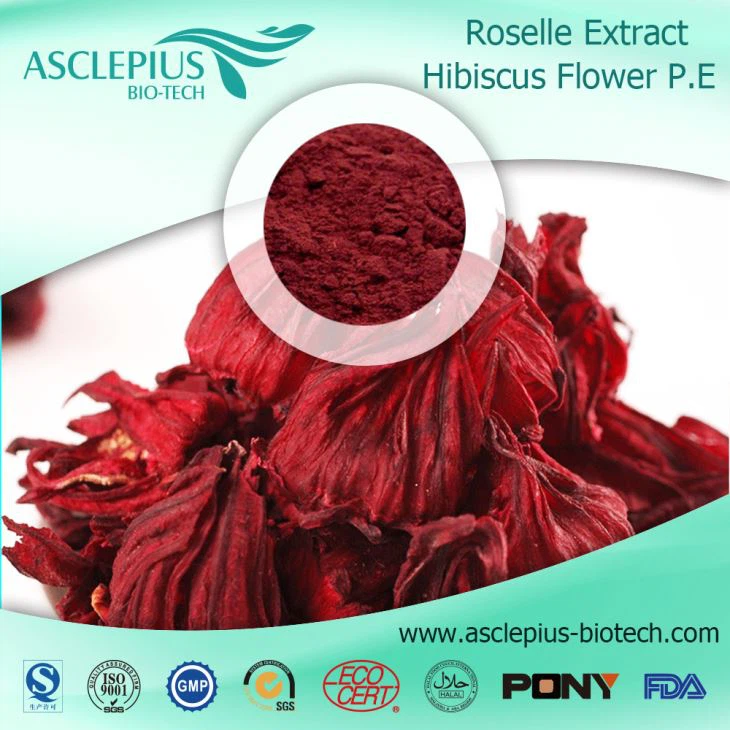
When looking for other natural health supplements, you might be interested in some herbal extracts. For example, Anise Extract Powder Supplier Wholesale /the Active Ingredient Is Shikimic Acid,anise Essential Oil, Magnolia Bark Extract Powder Supplier Wholesale/ the Active Ingredients Are Honokiol ,magnolol, and Roselle Extract,Jamaica Sorrel Extract Supplier Wholesale /Hibiseus SabdariffaL,the ActiveIngredient Is Anthocyanin. These herbal extracts have their own unique health benefits and may complement the effects of CoQ10.
Choosing the Right CoQ10 Supplement
If you are considering taking a CoQ10 supplement, there are several factors to keep in mind. First, make sure to choose a reputable supplier. The quality of CoQ10 supplements can vary significantly, and you want to ensure that you are getting a high - quality product. Look for supplements that are third - party tested for purity and potency.
Another important factor is the form of CoQ10. As mentioned earlier, ubiquinol is the active form that is more easily absorbed by the body. For older adults or those with difficulty absorbing nutrients, ubiquinol may be a better choice. However, ubiquinone is also effective and may be more cost - effective.
Conclusion
In conclusion, while the research on CoQ10 and lung function is still in its early stages, there is growing evidence to suggest that CoQ10 may have a beneficial effect on the lungs. Its antioxidant, anti - inflammatory, and energy - producing properties make it a promising candidate for improving lung health.
As a CoQ10 supplier, I am committed to providing high - quality CoQ10 supplements. If you are interested in learning more about our products or have any questions about CoQ10 and its potential benefits for lung function, please feel free to contact me for further discussions and potential purchasing opportunities.

References
- International Journal of Chronic Obstructive Pulmonary Disease. CoQ10 and COPD study results.
- Journal of Asthma. CoQ10 study in children with asthma.
- Pre - clinical study on CoQ10 and pulmonary fibrosis.


