


Hey there! I'm an emodin supplier, and today I wanna chat about whether emodin can be used in veterinary medicine. Emodin, as you might know, is a natural anthraquinone derivative found in various medicinal plants like rhubarb, polygonum cuspidatum, and aloe. It's been a hot topic in human medicine for a while, with research pointing to its potential anti - inflammatory, antibacterial, and anticancer properties. But what about in the world of our furry, feathery, and scaly friends?
First off, let's dig into the properties of emodin that could make it suitable for vet med. The anti - inflammatory aspect is a biggie. Inflammation in animals can lead to all sorts of problems, from joint pain in dogs and cats as they age, to more serious conditions like inflammatory bowel disease in livestock. Emodin works by inhibiting the production of certain inflammatory cytokines. For example, studies have shown it can hinder the release of TNF - alpha and IL - 6, which are like the troublemakers in the inflammation game. If we can keep these cytokines in check, it could mean less pain and a better quality of life for our animal patients.
Another cool thing about emodin is its antibacterial activity. In a vet's office or a farm setting, infections are a constant worry. Whether it's a simple skin infection in a pet or a severe respiratory infection in poultry, finding effective treatments is crucial. Emodin has been tested against a variety of bacteria, including Staphylococcus aureus and Escherichia coli. In vitro, it's shown to disrupt the bacterial cell membrane and interfere with their metabolic processes. This means it could potentially be used as an alternative or complementary treatment to traditional antibiotics, which is super important considering the growing problem of antibiotic resistance.
Now, when it comes to using emodin in veterinary medicine, we also have to think about safety. After all, we're not just dealing with isolated cells in a lab; we're talking about whole animals with complex physiological systems. So far, the research on the safety of emodin in animals seems promising. Most studies have reported that at appropriate doses, emodin doesn't cause major side effects. However, like with any substance, the dosage is key. Too much emodin could potentially cause digestive issues, like diarrhea or vomiting, and may also have an impact on the liver and kidneys. That's why it's so important to do more research to figure out the exact safe and effective doses for different species and conditions.
So how can emodin be used in practice? One idea is using it in topical treatments. For animals with skin problems, like dermatitis or fungal infections, a cream or ointment containing emodin could be applied directly to the affected area. The anti - inflammatory and antibacterial properties could help soothe the skin, reduce redness, and fight off any harmful microbes.
In addition to skin issues, digestive problems are also common in animals. Emodin may play a role in treating them. Its laxative effects can be beneficial in cases of constipation, which is often seen in older dogs and cats. And because of its antibacterial properties, it might help balance the gut flora in animals with digestive infections.
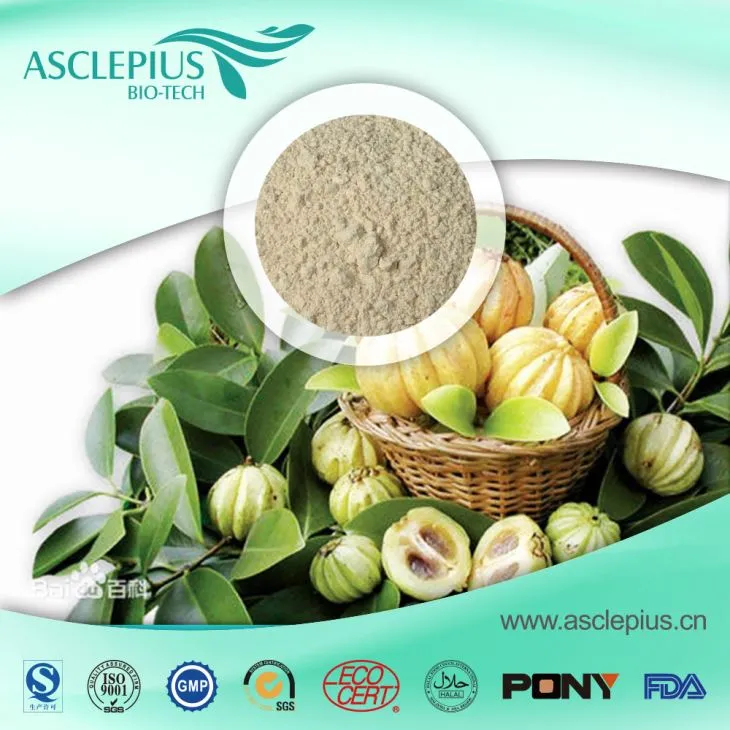
Now, I also want to mention some of our other awesome herbal extracts. We're not just an emodin supplier; we also offer Garcinia Cambogia Fruit Extract Powder Supplier Wholesale /the Active Ingredient Is HCA,hydroxycitric Acid,Natural Lose Weight Hot Products. This extract is a popular choice for those looking for natural weight - loss solutions, and it's not just for humans. It could potentially be used in veterinary diets for overweight animals.
Another great product is Coleus forskohlii Extract Powder Supplier Wholesale /the Active Ingredient Is forskolin. Forskolin has been studied for its ability to boost metabolism and improve cardiovascular health. In vet med, it might be used to support the heart health of animals, especially those at risk of heart disease.
And let's not forget about Pomegranate Peel Extract Powder Supplier Wholesale /the ActiveIngredient Is Ellagic Acid. Ellagic acid has antioxidant and anti - cancer properties, which could be beneficial in protecting animals from oxidative stress and potentially reducing the risk of cancer.
So, overall, emodin has real potential in veterinary medicine. Its anti - inflammatory, antibacterial, and other health - promoting properties make it a promising candidate for treating various animal conditions. But we need more research to fully understand its safety, effectiveness, and the best ways to use it.

If you're a veterinarian, an animal researcher, or involved in the animal health industry, and you're interested in learning more about emodin or our other herbal extracts, don't hesitate to reach out and start a chat with us. We're always happy to discuss how these natural ingredients could fit into your work or treatments.
In conclusion, the future of emodin in veterinary medicine looks bright, but there's still a long way to go. Let's work together to explore the possibilities and make a difference in the health and well - being of our animal friends.
References
[1] Studies on the anti - inflammatory effects of emodin in animal models.
[2] Research on the antibacterial activity of emodin against common animal pathogens.
[3] Safety and toxicology studies of emodin in different animal species.


