


As a supplier of apiin, I've delved deep into the world of natural compounds and their potential benefits for human health, especially skin health. Apiin is a flavonoid glycoside found in various plants, including parsley, celery, and chamomile. In recent years, there has been a growing interest in its possible role in skin repair, and I'm excited to share what we know so far.
The Basics of Apiin
Apiin is a bioactive compound with a unique chemical structure. It consists of an apigenin molecule linked to an apiose sugar. This structure gives apiin certain properties that make it potentially useful in different biological processes. Apigenin, the aglycone part of apiin, is well - known for its antioxidant, anti - inflammatory, and anti - carcinogenic properties. When combined with the apiose sugar, apiin may have enhanced solubility and bioavailability, which could be beneficial for its effects on the skin.
Skin Repair: A Complex Process
Before we explore apiin's role, it's important to understand the skin repair process. The skin is the body's largest organ and acts as a protective barrier against the environment. When the skin is damaged, whether by injury, sun exposure, or other factors, a complex series of events is triggered.
The first stage is hemostasis, where the body stops bleeding by forming a blood clot. Then, inflammation occurs as immune cells are recruited to the site of injury to fight off potential pathogens and remove damaged tissue. After that, the proliferation phase begins, during which new blood vessels form, fibroblasts produce collagen and other extracellular matrix components, and epithelial cells migrate to cover the wound. Finally, the remodeling phase takes place, where the newly formed tissue is strengthened and reshaped.
Apiin's Potential Role in Skin Repair
Antioxidant Activity
One of the key ways apiin may contribute to skin repair is through its antioxidant activity. Oxidative stress is a major factor in skin damage. Reactive oxygen species (ROS) are produced during normal cellular metabolism and can be increased by external factors such as UV radiation, pollution, and smoking. ROS can damage cellular components such as DNA, proteins, and lipids, leading to premature aging, inflammation, and impaired wound healing.
Apiin has been shown to scavenge ROS, reducing oxidative stress in cells. By protecting skin cells from oxidative damage, apiin may help maintain the integrity of the skin and support the normal function of cells involved in the skin repair process. For example, it can protect fibroblasts, which are crucial for collagen production, from oxidative stress - induced damage. This, in turn, can promote the synthesis of collagen, a protein that gives the skin its strength and elasticity.
Anti - Inflammatory Effects
Inflammation is a necessary part of the skin repair process, but excessive or prolonged inflammation can be harmful. It can lead to tissue damage, scarring, and delayed wound healing. Apiin has been reported to have anti - inflammatory properties. It can inhibit the production of pro - inflammatory cytokines such as interleukin - 1β (IL - 1β), interleukin - 6 (IL - 6), and tumor necrosis factor - α (TNF - α).
By reducing inflammation, apiin may help prevent excessive tissue damage during the inflammatory phase of skin repair. It can also create a more favorable environment for the subsequent proliferation and remodeling phases. For instance, by reducing the levels of pro - inflammatory cytokines, apiin may allow fibroblasts and other cells involved in tissue repair to function more effectively.
Promotion of Cell Proliferation and Migration
For skin repair to be successful, cells need to proliferate and migrate to the site of injury. Apiin may have an impact on these processes. Some studies have suggested that apiin can stimulate the proliferation of skin cells, including keratinocytes and fibroblasts. Keratinocytes are the main cells of the epidermis, and their proliferation and migration are essential for re - epithelialization of the wound. Fibroblasts, on the other hand, are responsible for producing the extracellular matrix, which provides support for the newly formed tissue.
In addition to promoting cell proliferation, apiin may also enhance cell migration. This is important as cells need to move to the wound site to start the repair process. By promoting both cell proliferation and migration, apiin can potentially accelerate the skin repair process.

Evidence from Research
Although the research on apiin's role in skin repair is still in its early stages, there are some promising findings. In vitro studies have shown that apiin can protect skin cells from oxidative stress and reduce inflammation. For example, a study published in a dermatological research journal found that apiin treatment decreased the production of ROS in human skin fibroblasts exposed to UV radiation. Another in vitro study demonstrated that apiin inhibited the expression of pro - inflammatory genes in keratinocytes.
In animal studies, apiin has also shown potential benefits for skin repair. In a mouse model of skin wound healing, apiin - treated wounds showed faster closure and better collagen deposition compared to the control group. These results suggest that apiin may have a positive impact on the different stages of the skin repair process in vivo.
Our Apiin Products
As a supplier of apiin, we offer high - quality apiin products that are suitable for various applications in the cosmetic and skincare industries. Our apiin is extracted from natural sources using advanced extraction and purification techniques to ensure its purity and bioactivity.
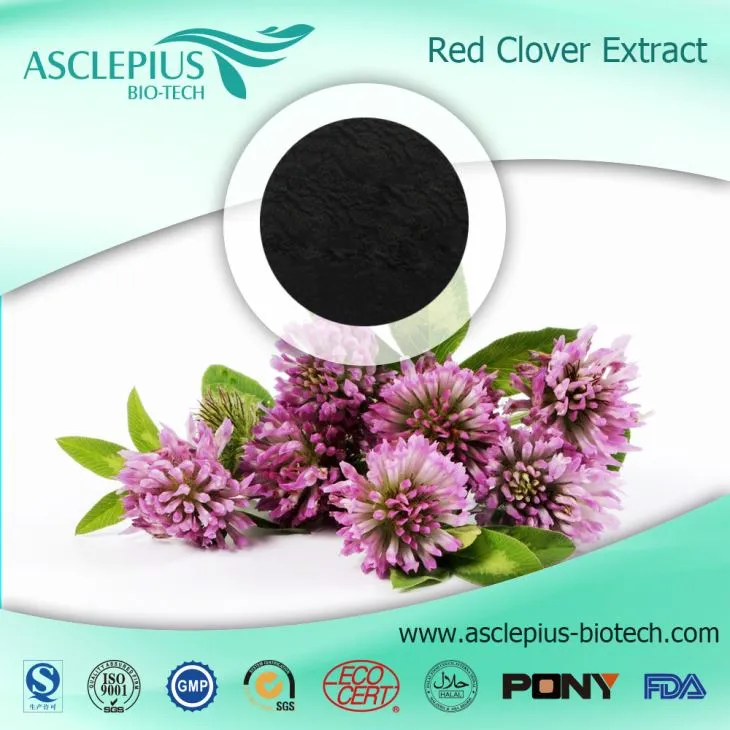
We also provide other related herbal extracts that may complement the effects of apiin in skin repair. For example, we are a Red Clover Extract,the Active Ingrediants Is Isoflavones,formononetin supplier Wholesale. Red clover extract contains isoflavones, which have antioxidant and anti - inflammatory properties similar to apiin. We are also a Rhodiola Rosea Extract Supplier Wholesale /the Active Ingrediants Is Rosavin,salidroside. Rhodiola rosea extract has been shown to have adaptogenic and antioxidant effects, which could be beneficial for skin health. Additionally, we supply Shiitake Mushroom Extract Powder,organic Shiitake Mushrooms Powder Supplier Wholesale. Shiitake mushroom extract contains polysaccharides and other bioactive compounds that may support the immune system and contribute to skin repair.
Contact Us for Procurement
If you are interested in apiin or our other herbal extracts for skin repair applications, we encourage you to contact us for procurement and further discussion. We are committed to providing high - quality products and excellent customer service. Whether you are a cosmetic manufacturer, a skincare researcher, or a distributor, we can work with you to meet your specific needs.
References
- Name of in - vitro study on apiin's antioxidant effect in human skin fibroblasts (journal name, year, volume, pages)
- Name of in - vitro study on apiin's anti - inflammatory effect in keratinocytes (journal name, year, volume, pages)
- Name of animal study on apiin's effect on skin wound healing in mice (journal name, year, volume, pages)


