


Hey there! As a Q10 supplier, I've been diving deep into the world of Q10 and all the factors that can affect it. One question that keeps popping up is whether pH affects 'Q10'. Let's dig into this topic and see what we can find out.
First off, let's quickly go over what Q10 is. Coenzyme Q10, or Q10 for short, is a compound that's found in every cell of our bodies. It plays a crucial role in producing energy, specifically in the form of adenosine triphosphate (ATP). ATP is like the fuel that powers our cells, allowing them to carry out all the functions that keep us alive and kicking.
Now, onto the main question: does pH affect Q10? Well, to understand this, we need to know a bit about the chemical properties of Q10. Q10 is a relatively stable compound, but like most things in the chemical world, its stability can be influenced by the environment it's in, and pH is a big part of that environment.
pH is a measure of how acidic or basic a solution is. It ranges from 0 to 14, with 7 being neutral. Anything below 7 is acidic, and anything above 7 is basic. Different substances have different optimal pH ranges where they're most stable and function best.
In the case of Q10, research has shown that extreme pH levels can have an impact on its stability. In highly acidic or highly basic conditions, the chemical structure of Q10 can start to break down. This is because the hydrogen ions (in acidic solutions) or hydroxide ions (in basic solutions) can react with the Q10 molecule, causing it to lose its integrity.
For example, in an acidic environment, the hydrogen ions can protonate certain parts of the Q10 molecule. This protonation can change the shape and reactivity of the molecule, making it less effective at carrying out its energy - producing functions. On the other hand, in a basic environment, the hydroxide ions can react with the Q10 in a way that leads to oxidation or other chemical reactions that degrade the molecule.
But it's not all doom and gloom. Q10 is relatively stable within a certain pH range. Most studies suggest that Q10 is quite stable at a slightly acidic to neutral pH, around 6 - 7.5. In this range, the chemical reactions that could potentially break down Q10 are minimized, and it can maintain its structure and function.
So, why does this matter for us as Q10 suppliers? Well, it's crucial for us to ensure that the Q10 products we supply are stored and transported in conditions where the pH is within the optimal range. If the pH of the storage or transportation medium is too far off, it could lead to a decrease in the quality and effectiveness of the Q10.
For instance, if we're supplying Q10 in a liquid form, we need to carefully control the pH of the solution. We might use buffers to keep the pH stable and prevent any unwanted chemical reactions from occurring. In a solid form, we still need to be aware of the pH of the surrounding environment, as moisture in the air can create a micro - environment around the Q10 particles that could affect their stability.
Now, I also want to mention that as a supplier, we're not just about Q10. We also offer other great products. Check out our Lotus Leaf and Flower Supplier Wholesale /Natural Lose Weight Hot Products. Lotus leaf and flower extracts are known for their potential health benefits, including aiding in weight loss. They contain various bioactive compounds that can help boost metabolism and reduce fat absorption.
Another great product we have is the Citrus Aurantium L Extract Powder Supplier Wholesale /hesperidin Complex Supplement. Citrus aurantium extract is rich in hesperidin and other flavonoids, which have antioxidant and anti - inflammatory properties. It can be a great addition to a health supplement regimen.
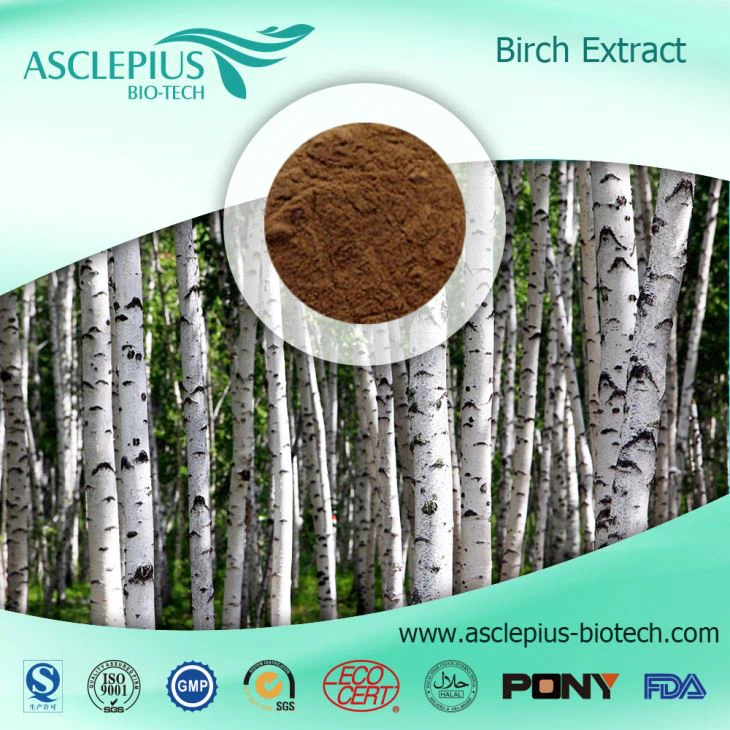

And let's not forget about the Birch Bark Extract Powder Supplier Wholesale/ Including Betulinic Acid,betulin. Birch bark extract contains betulinic acid and betulin, which have shown potential in various health applications, such as anti - cancer and anti - inflammatory effects.
If you're interested in any of our products, including Q10, we're here to have a chat. Whether you're a distributor looking to add high - quality supplements to your product line or a manufacturer in need of reliable raw materials, we can work together to meet your needs. Just reach out to us, and we'll start the conversation about how we can supply you with the best products at great prices.
In conclusion, pH does have an impact on Q10. Extreme pH levels can degrade the Q10 molecule, while a slightly acidic to neutral pH range is optimal for its stability. As a Q10 supplier, we take these factors into account to ensure that the products we offer are of the highest quality. And don't forget to explore our other great product offerings. Let's get in touch and see how we can do business together!
References:
- Some research papers on the chemical stability of Coenzyme Q10 under different pH conditions.
- Studies on the health benefits of lotus leaf and flower extracts, citrus aurantium extract, and birch bark extract.


