


Aloin, a compound derived from the aloe plant, has long been a subject of interest in the realm of dermatology and skincare. As a leading supplier of Aloin, I've witnessed firsthand the growing curiosity about its impact on skin color. In this blog post, we'll delve into the scientific mechanisms behind how Aloin affects the skin's color, exploring both the positive and potential negative aspects.
Understanding Aloin
Aloin is a natural anthraquinone glycoside found in the exudate of the aloe plant, particularly in the leaves. It has been used in traditional medicine for its laxative properties, but recent research has also focused on its potential effects on the skin. Aloin is known for its antioxidant, anti - inflammatory, and antimicrobial properties, which are relevant to skin health.
The Science of Skin Color
Before we discuss how Aloin affects skin color, it's essential to understand the basics of how skin color is determined. Skin color is primarily determined by the amount and type of melanin produced by melanocytes, specialized cells located in the basal layer of the epidermis. There are two main types of melanin: eumelanin, which is responsible for brown and black colors, and pheomelanin, which contributes to red and yellow tones.
The production of melanin is a complex process regulated by various factors, including genetics, hormones, and exposure to ultraviolet (UV) radiation. When the skin is exposed to UV light, it triggers a series of biochemical reactions that stimulate melanocytes to produce more melanin. This is the body's natural defense mechanism to protect the skin from further damage.
How Aloin Affects Melanin Production
Inhibition of Tyrosinase Activity
One of the key enzymes involved in melanin synthesis is tyrosinase. Tyrosinase catalyzes the conversion of the amino acid tyrosine into dopaquinone, which is a precursor to melanin. Studies have shown that Aloin can inhibit the activity of tyrosinase. By reducing tyrosinase activity, Aloin can decrease the production of melanin, potentially leading to a lighter skin tone.
For example, in in - vitro studies, Aloin has been found to significantly inhibit tyrosinase activity in a dose - dependent manner. This suggests that Aloin could be used as a natural alternative to synthetic skin - lightening agents, which may have side effects.

Antioxidant Effects
Aloin is also a powerful antioxidant. Oxidative stress can stimulate melanin production. When the skin is exposed to environmental pollutants, UV radiation, or other sources of free radicals, it can lead to an increase in oxidative stress. This oxidative stress can activate signaling pathways that promote melanin synthesis.
Aloin's antioxidant properties help to neutralize free radicals and reduce oxidative stress in the skin. By doing so, it can indirectly regulate melanin production and prevent the darkening of the skin. For instance, Aloin can scavenge reactive oxygen species (ROS) such as superoxide anions and hydroxyl radicals, which are known to be involved in the activation of melanocytes.
Clinical Evidence of Aloin's Effect on Skin Color
While in - vitro studies have provided promising results, clinical evidence of Aloin's effect on skin color is still limited. However, some small - scale clinical trials have shown potential benefits.
In a study involving a group of volunteers with hyperpigmentation, a topical cream containing Aloin was applied to the affected areas for a period of several weeks. The results showed a significant reduction in the intensity of hyperpigmentation in some participants. This suggests that Aloin may be effective in treating skin discoloration, such as age spots and melasma.
Potential Side Effects and Considerations
Although Aloin has potential benefits for skin color, it's important to consider potential side effects. Some individuals may be allergic to Aloin or other components of the aloe plant. Allergic reactions can range from mild skin irritation, such as redness and itching, to more severe reactions, such as swelling and blistering.
In addition, the long - term effects of using Aloin on the skin are not fully understood. There is a need for more extensive clinical studies to determine the safety and efficacy of Aloin in the long run.
Other Applications of Aloin in Skincare
Apart from its potential to lighten the skin, Aloin has other applications in skincare. Its anti - inflammatory properties make it useful for treating skin conditions such as acne and eczema. By reducing inflammation, Aloin can soothe irritated skin and promote healing.
Aloin's antimicrobial properties also make it effective against certain bacteria and fungi that can cause skin infections. This can help to keep the skin healthy and prevent the development of skin problems.
Our Offerings as an Aloin Supplier
As a leading Aloin supplier, we offer high - quality Aloin products that are carefully extracted and purified to ensure maximum efficacy and safety. Our Aloin is sourced from premium aloe plants and undergoes strict quality control measures.
In addition to Aloin, we also supply other natural plant extracts that are beneficial for skin health. For example, we are a Pomegranate Peel Extract Powder Supplier Wholesale /the ActiveIngredient Is Ellagic Acid. Ellagic acid in pomegranate peel extract has antioxidant and anti - inflammatory properties, which can help to protect the skin from damage and improve its overall appearance.
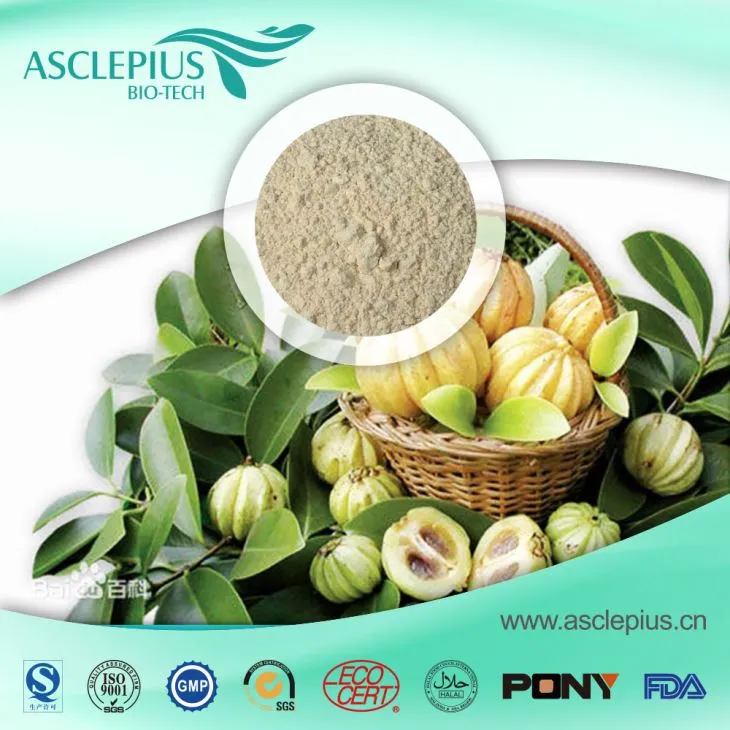
We are also a Garcinia Cambogia Fruit Extract Powder Supplier Wholesale /the Active Ingredient Is HCA,hydroxycitric Acid,Natural Lose Weight Hot Products. Although mainly known for its weight - loss properties, Garcinia Cambogia extract may also have some benefits for the skin due to its antioxidant and anti - inflammatory effects.
Furthermore, we are a Hericium Erinaceus Extract Powder,hericium supplier Wholesale. Hericium Erinaceus extract has been shown to have immunomodulatory and antioxidant effects, which can contribute to healthy skin.
Contact Us for Procurement
If you are interested in purchasing our Aloin products or any of our other natural plant extracts, we encourage you to contact us for procurement and further discussion. We are committed to providing you with the best quality products and excellent customer service. Whether you are a skincare manufacturer, a researcher, or an individual interested in natural skincare solutions, we can meet your needs.
References
- Boonchai, W., & Srichana, T. (2012). Inhibitory effect of aloin on tyrosinase activity and melanogenesis in B16F10 melanoma cells. Asian Pacific Journal of Tropical Medicine, 5(11), 874 - 879.
- Goyal, A., Sharma, S., & Goyal, R. K. (2010). Aloe vera: A short review. Indian Journal of Dermatology, Venereology and Leprology, 76(5), 483 - 490.
- Kang, M. I., & Lee, Y. S. (2013). Antioxidant and anti - inflammatory effects of aloin on lipopolysaccharide - induced inflammation in RAW264.7 macrophages. Journal of Medicinal Food, 16(8), 710 - 716.


