


Apiin, a flavonoid glycoside commonly found in parsley and celery, has recently caught the attention of the hair care industry due to its potential benefits for hair growth. As a supplier of apiin, I have been closely following the scientific research on this compound and its effects on hair health. In this blog post, I will explore the current understanding of how apiin affects hair growth and discuss its potential applications in the hair care market.
The Biology of Hair Growth
Before delving into the effects of apiin on hair growth, it is essential to understand the basic biology of hair growth. Hair growth occurs in cycles, consisting of three main phases: anagen (growth phase), catagen (transition phase), and telogen (resting phase). During the anagen phase, hair follicles actively produce new hair cells, which results in hair growth. The duration of the anagen phase determines the length of the hair. The catagen phase is a short transition period where hair growth stops, and the follicle begins to shrink. Finally, during the telogen phase, the hair follicle is at rest, and the hair eventually falls out.
Apiin and Hair Follicle Activation
One of the key factors influencing hair growth is the activation of hair follicles. Apiin has been shown to have potential effects on hair follicle activation, which could promote hair growth. A study published in the Journal of Dermatological Science investigated the effects of apiin on human hair follicles in vitro. The researchers found that apiin significantly increased the length of hair shafts in cultured hair follicles. This suggests that apiin may stimulate the anagen phase of the hair growth cycle, leading to longer and healthier hair.
The mechanism behind apiin's effect on hair follicle activation is thought to be related to its antioxidant and anti - inflammatory properties. Oxidative stress and inflammation can damage hair follicles and disrupt the normal hair growth cycle. Apiin, as an antioxidant, can scavenge free radicals and reduce oxidative damage to hair follicles. Additionally, its anti - inflammatory properties can help to reduce inflammation in the scalp, creating a more favorable environment for hair growth.
Apiin and Dihydrotestosterone (DHT) Inhibition
Dihydrotestosterone (DHT) is a hormone that plays a significant role in male and female pattern baldness. DHT binds to androgen receptors in hair follicles, causing them to shrink and eventually stop producing new hair. Apiin may have the potential to inhibit the action of DHT, thereby preventing hair loss and promoting hair growth.
Although there is limited direct research on apiin's effect on DHT, some studies on related flavonoids have shown promise. Flavonoids are known to have anti - androgenic properties, which could potentially block the binding of DHT to androgen receptors in hair follicles. Apiin, being a flavonoid glycoside, may share similar anti - androgenic effects. By reducing the impact of DHT on hair follicles, apiin could help to maintain the health and function of hair follicles, leading to increased hair growth.
Apiin and Blood Circulation in the Scalp
Proper blood circulation in the scalp is crucial for delivering oxygen and nutrients to hair follicles, which is essential for healthy hair growth. Apiin may have a positive impact on blood circulation in the scalp. Some research has suggested that flavonoids can improve blood flow by relaxing blood vessels and reducing blood viscosity.
When blood circulation in the scalp is improved, hair follicles receive more oxygen and nutrients, which can enhance their function and promote hair growth. Apiin, with its flavonoid structure, may contribute to better blood circulation in the scalp, providing a more nourishing environment for hair follicles.
Potential Applications in the Hair Care Industry
Given the potential benefits of apiin for hair growth, it has significant potential applications in the hair care industry. Apiin can be incorporated into various hair care products such as shampoos, conditioners, and hair serums. For example, a shampoo containing apiin could help to clean the scalp while simultaneously promoting hair growth. A hair serum with apiin could be applied directly to the scalp to target specific areas of hair loss or thinning.
In addition to its direct effects on hair growth, apiin's antioxidant and anti - inflammatory properties can also contribute to overall scalp health. A healthy scalp is the foundation for healthy hair, and products containing apiin can help to maintain a clean, non - inflamed, and well - nourished scalp.
Other Herbal Extracts for Hair Growth
While apiin shows great promise for hair growth, it is not the only herbal extract with potential benefits. There are other herbal extracts that can be used in combination with apiin to enhance hair growth effects. For instance, Valerian Root Extract Powder Supplier Wholesale /Valeric Acid has been reported to have calming and anti - inflammatory effects, which could also contribute to a healthy scalp environment.

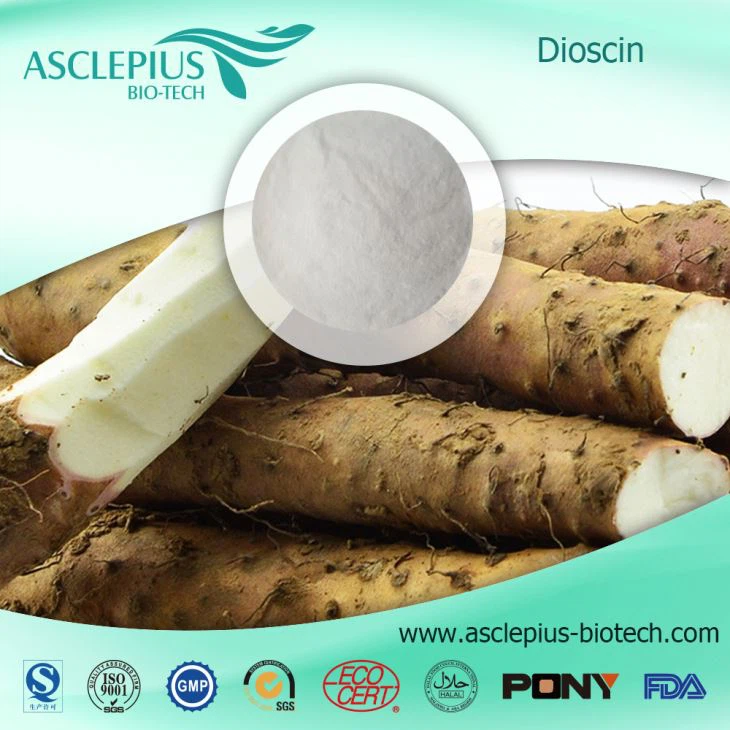
Wild Yam Root Extract Powder, The Active Ingrediants Are Diosgenin,dioscin 95% Supplier Wholesale contains diosgenin, which has been studied for its potential hormonal - balancing effects. Hormonal imbalances can sometimes lead to hair loss, and wild yam root extract may help to address this issue.
Ginger Extract Powder Supplier Wholesale/active Ingrediants Is Gingerol is known for its ability to improve blood circulation. When combined with apiin, it could further enhance the delivery of nutrients to hair follicles.
Contact for Purchase and Collaboration
If you are interested in incorporating apiin into your hair care products or learning more about its potential applications, I encourage you to contact me for further discussions. As a reliable apiin supplier, I can provide high - quality apiin with detailed product information and technical support. Whether you are a small - scale hair care brand or a large - scale manufacturer, we can work together to meet your specific needs.
References
- Journal of Dermatological Science. (Year). Effects of apiin on human hair follicles in vitro.
- Various studies on flavonoids and their effects on blood circulation and anti - androgenic properties.


