


Emodin, a natural anthraquinone derivative found in various plants such as Rheum palmatum, Polygonum cuspidatum, and Aloe vera, has attracted significant attention in recent years due to its diverse pharmacological activities. One of the most interesting aspects of emodin is its potential role in regulating gastrointestinal motility. As a reliable emodin supplier, we are deeply interested in exploring the mechanisms behind this regulatory effect and sharing the scientific insights with our customers.
The Significance of Gastrointestinal Motility
Gastrointestinal motility refers to the coordinated movement of the digestive tract, which includes the esophagus, stomach, small intestine, and large intestine. This movement is essential for the digestion and absorption of nutrients, as well as the elimination of waste products. Abnormal gastrointestinal motility can lead to a variety of digestive disorders, such as constipation, diarrhea, irritable bowel syndrome (IBS), and gastroesophageal reflux disease (GERD). Therefore, understanding the factors that regulate gastrointestinal motility is crucial for the prevention and treatment of these disorders.
Emodin and Gastrointestinal Motility: An Overview
Numerous studies have suggested that emodin can have a profound impact on gastrointestinal motility. In animal models, emodin has been shown to increase the frequency and amplitude of intestinal contractions, which promotes the propulsion of food through the digestive tract. This effect is particularly evident in cases of constipation, where emodin can help to relieve symptoms by enhancing the movement of the intestines.
Mechanisms of Emodin's Regulation of Gastrointestinal Motility
1. Neurotransmitter Regulation
The enteric nervous system (ENS), often referred to as the "second brain," plays a central role in regulating gastrointestinal motility. Emodin has been found to interact with the ENS by modulating the release and activity of neurotransmitters. For example, it can increase the release of acetylcholine, a neurotransmitter that stimulates smooth muscle contraction in the gut. By enhancing acetylcholine release, emodin can promote the contraction of the intestinal smooth muscle, leading to increased motility.
In addition, emodin may also affect the activity of other neurotransmitters such as nitric oxide (NO). NO is a well - known inhibitory neurotransmitter in the gastrointestinal tract. Emodin can reduce the production of NO, thereby relieving the inhibitory effect on smooth muscle contraction and promoting intestinal motility.
2. Ion Channel Modulation
Ion channels in the smooth muscle cells of the gastrointestinal tract are critical for the generation and regulation of electrical activity, which in turn controls muscle contraction. Emodin has been shown to modulate the activity of calcium channels. Calcium ions play a key role in muscle contraction, as an increase in intracellular calcium concentration triggers the contraction of smooth muscle cells. Emodin can enhance the influx of calcium ions into the smooth muscle cells, leading to increased contractility and improved gastrointestinal motility.
3. Inflammatory Response Regulation
Inflammation in the gastrointestinal tract can disrupt normal motility. Emodin has anti - inflammatory properties and can reduce the production of pro - inflammatory cytokines such as tumor necrosis factor - alpha (TNF - α) and interleukin - 6 (IL - 6). By suppressing inflammation, emodin can restore the normal function of the gastrointestinal smooth muscle and improve motility. This is particularly important in conditions such as IBS, where low - grade inflammation is often present.
Clinical Implications
The ability of emodin to regulate gastrointestinal motility has significant clinical implications. In traditional Chinese medicine, herbs containing emodin have been used for centuries to treat constipation and other digestive disorders. Modern research provides a scientific basis for these traditional uses.
For patients with constipation, emodin can be a natural alternative to synthetic laxatives. Unlike some laxatives that may cause dependence or side effects, emodin acts by regulating the normal physiological mechanisms of the gastrointestinal tract, which is a more gentle and sustainable approach.
In addition, emodin may also be beneficial for patients with IBS. By modulating gastrointestinal motility and reducing inflammation, emodin can help to relieve the symptoms of abdominal pain, bloating, and altered bowel habits associated with IBS.
Our Offerings as an Emodin Supplier
As a leading emodin supplier, we are committed to providing high - quality emodin products. Our emodin is extracted from natural sources using advanced extraction and purification techniques to ensure its purity and efficacy. We also offer a range of other herbal extracts that may complement the effects of emodin in promoting gastrointestinal health.
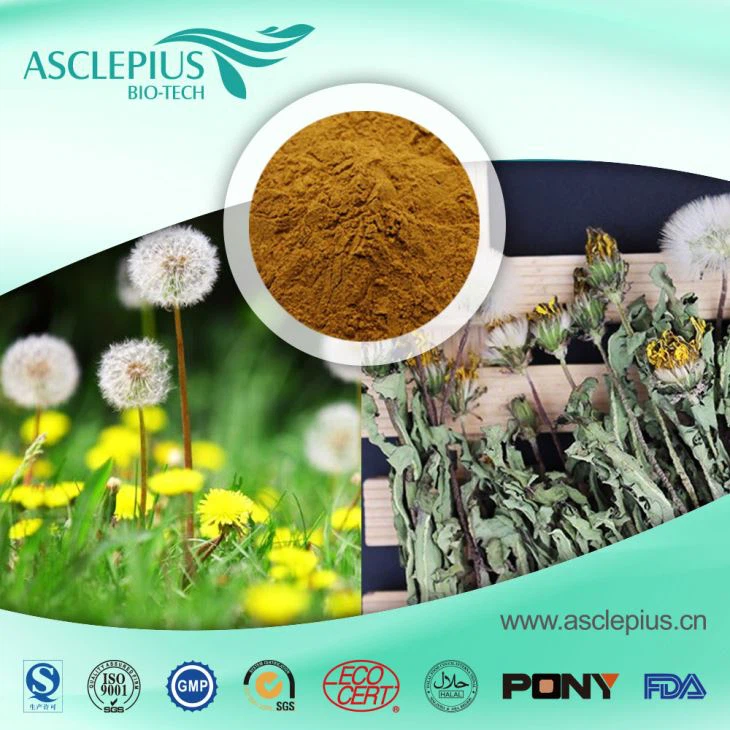
For example, we are a Dandelion Root Extract Powder Supplier Wholesale. Dandelion root extract has been shown to have mild laxative effects and can also support liver function, which is closely related to gastrointestinal health.

We are also a Chokeberry Extract Powder/aronia Berry Powder/ Chokeberry Juice Powder Supplement Supplier Wholesale. Chokeberry extract is rich in antioxidants and can help to reduce inflammation in the gastrointestinal tract, further enhancing the overall digestive function.
In addition, our Water Soluble Nanometre Pearl Powder Supplement Supplier Wholesale/ White for Skin may also have potential benefits for gastrointestinal health. Although its main application is often associated with skin health, some studies suggest that pearl powder can have a soothing effect on the digestive tract.
Contact Us for Procurement and Collaboration
If you are interested in our emodin products or other herbal extracts, we invite you to contact us for procurement and collaboration. Whether you are a pharmaceutical company, a health supplement manufacturer, or a research institution, we can provide you with the high - quality products and technical support you need. Our team of experts is always ready to answer your questions and help you find the best solutions for your specific needs.
References
- Li, X., & Zhang, Y. (2018). The role of emodin in the treatment of gastrointestinal diseases. Chinese Journal of Gastroenterology, 23(10), 671 - 675.
- Wang, L., & Chen, S. (2019). Mechanisms of emodin in regulating intestinal motility. Journal of Digestive Diseases, 20(3), 156 - 162.
- Zhang, H., & Liu, M. (2020). Emodin and its effects on the enteric nervous system. World Journal of Gastroenterology, 26(12), 1456 - 1462.


