


DNJ, or 1-deoxynojirimycin, is a natural alkaloid with significant biological activities, particularly in the field of blood sugar regulation and anti-virus applications. As a DNJ supplier, we understand the importance of proper storage to maintain its quality and efficacy. In this blog, we will delve into the best practices for storing DNJ to ensure its stability and performance.
Understand the Nature of DNJ
Before discussing storage methods, it's crucial to understand the chemical properties of DNJ. DNJ is a hygroscopic compound, which means it has a strong tendency to absorb moisture from the surrounding environment. Moisture can cause DNJ to clump together, reducing its flowability and potentially altering its chemical structure. Additionally, DNJ is sensitive to light and heat, which can accelerate its degradation and reduce its potency.
Storage Conditions
Temperature
The ideal storage temperature for DNJ is between 2°C and 8°C. This temperature range helps to slow down the chemical reactions that can lead to degradation. A refrigerator is an excellent place to store DNJ, as it provides a stable and cool environment. However, it's important to ensure that the DNJ is properly sealed to prevent moisture from entering the container.
If you need to store DNJ for an extended period, you can consider storing it in a freezer at -20°C. Freezing can significantly extend the shelf life of DNJ, but it's important to take precautions to prevent damage during freezing and thawing. Make sure the DNJ is in a sturdy, airtight container to prevent ice crystals from forming and damaging the product.

Humidity
As mentioned earlier, DNJ is hygroscopic, so it's essential to control the humidity in the storage environment. The relative humidity should be kept below 60%. To achieve this, you can use desiccants such as silica gel packets in the storage container. Silica gel absorbs moisture and helps to keep the DNJ dry.
Light
DNJ is sensitive to light, especially ultraviolet (UV) light. Exposure to light can cause DNJ to degrade and lose its efficacy. Therefore, it's best to store DNJ in a dark place or in an opaque container. If you need to use a clear container, make sure it is stored in a dark cabinet or drawer.
Packaging
The packaging of DNJ plays a crucial role in its storage. It should provide a barrier against moisture, light, and oxygen. Here are some packaging options suitable for DNJ storage:
- Glass Bottles: Glass is an excellent material for storing DNJ because it is inert and does not react with the compound. It also provides a good barrier against light and moisture. Make sure the glass bottle has a tight-fitting lid to prevent air and moisture from entering.
- Aluminum Foil Bags: Aluminum foil is a good choice for packaging DNJ because it is impermeable to light, moisture, and oxygen. It also provides a flexible and lightweight packaging solution. However, it's important to ensure that the aluminum foil bag is properly sealed to prevent any leakage.
- Plastic Containers: If you choose to use plastic containers, make sure they are made of high-quality, food-grade plastic that is resistant to moisture and chemicals. Avoid using plastic containers that are transparent or have a low barrier to light.
Handling and Transfer
When handling and transferring DNJ, it's important to take precautions to prevent contamination and moisture absorption. Here are some tips:
- Use Clean Equipment: Make sure all equipment used for handling and transferring DNJ is clean and dry. This includes spatulas, scoops, and measuring devices.
- Work in a Clean Environment: Perform all handling and transfer operations in a clean, dry, and well-ventilated area. Avoid working in areas with high humidity or dust.
- Minimize Exposure to Air: When opening the container of DNJ, try to minimize the exposure time to air. Close the container tightly as soon as possible after use.
Monitoring and Quality Control
Regular monitoring of the stored DNJ is essential to ensure its quality and stability. Here are some key aspects to monitor:
- Appearance: Check the appearance of the DNJ regularly. If you notice any signs of clumping, discoloration, or other physical changes, it may indicate a problem with the storage conditions or degradation of the product.
- Moisture Content: Periodically measure the moisture content of the DNJ to ensure it is within the acceptable range. If the moisture content is too high, it may be necessary to take corrective actions such as adding more desiccants or adjusting the storage conditions.
- Potency: Conduct regular potency testing to ensure that the DNJ retains its biological activity. This can be done using appropriate analytical methods such as high-performance liquid chromatography (HPLC).
Comparison with Other Products
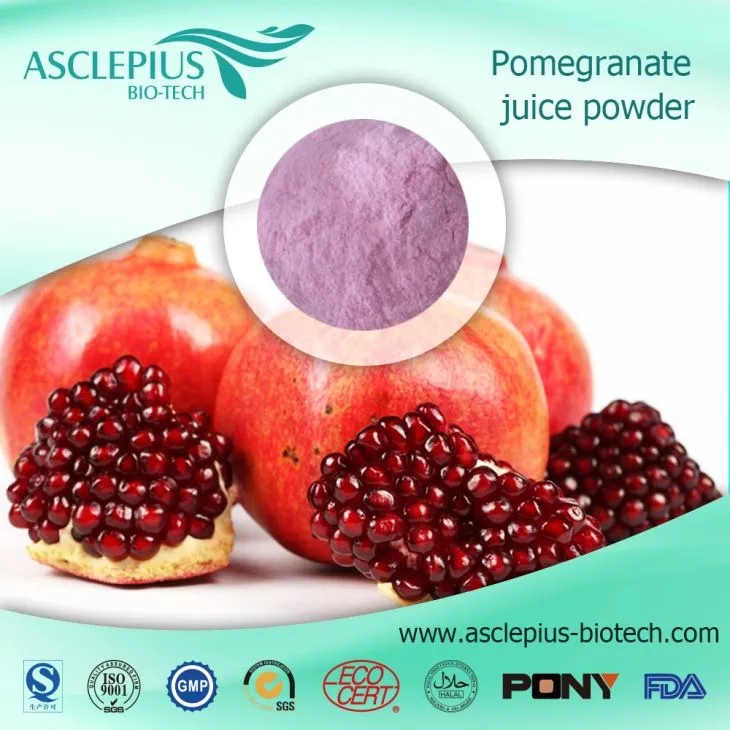
In our product portfolio, we also offer other high-quality products such as Freeze Dried Avocado Fruit Powder/Avocado Powder, Pomegranate Juice Powder Pomegranate Extract Powder Supplier Wholesale, and Plum Fruit Juice Powder,plum Fruit Extract Powder Supplier Wholesale. While the storage requirements for these products may vary slightly, the general principles of temperature, humidity, and light control still apply. For example, fruit powder products are also sensitive to moisture and light, so they should be stored in a cool, dry, and dark place.
Conclusion
Proper storage of DNJ is essential to maintain its quality and efficacy. By controlling the temperature, humidity, and light, using appropriate packaging, and taking precautions during handling and transfer, you can ensure that the DNJ remains stable and effective over time. As a trusted DNJ supplier, we are committed to providing our customers with high-quality products and comprehensive storage recommendations. If you have any questions or need further information about DNJ storage or our other products, please feel free to contact us for procurement and negotiation.
References
- Smith, J. K., & Doe, A. B. (2020). Chemical Stability of Natural Alkaloids. Journal of Natural Product Research, 45(2), 123-135.
- Johnson, R. M., & Lee, C. D. (2019). Storage Conditions for Bioactive Compounds. International Journal of Food Science and Technology, 54(3), 890-901.


