


Hey there! As an API supplier, I often get asked about how to make an API call in Java. It might seem a bit daunting at first, but once you get the hang of it, it's actually pretty straightforward. In this blog, I'll walk you through the process step by step, so you can start making API calls in Java like a pro.
What is an API?
Before we dive into making API calls in Java, let's quickly go over what an API is. API stands for Application Programming Interface. It's a set of rules and protocols that allows different software applications to communicate with each other. Think of it as a bridge that enables your Java application to interact with external services or data sources.
Why Use Java for API Calls?
Java is a popular programming language for making API calls for several reasons. It's platform-independent, which means you can write your code once and run it on any operating system. It also has a large and active community, so you can easily find libraries and resources to help you with your API calls. Additionally, Java's strong typing and object-oriented nature make it a reliable and secure choice for building applications that interact with APIs.
Prerequisites
Before you start making API calls in Java, you'll need a few things:
- Java Development Kit (JDK): You'll need to have the JDK installed on your computer. You can download it from the official Oracle website or use an open-source alternative like OpenJDK.
- Integrated Development Environment (IDE): An IDE like IntelliJ IDEA or Eclipse can make your development process much easier. It provides features like code completion, debugging, and project management.
- API Key (if required): Some APIs require an API key to authenticate your requests. Make sure you have the necessary API key before you start making calls.
Making a Simple API Call in Java
Let's start by making a simple API call to a public API. For this example, we'll use the JSONPlaceholder API, which provides fake data for testing and prototyping.
First, you'll need to add the necessary dependencies to your project. If you're using Maven, you can add the following dependency to your pom.xml file:
<dependency>
    <groupId>org.apache.httpcomponents</groupId>
    <artifactId>httpclient</artifactId>
    <version>4.5.13</version>
</dependency>
Here's the Java code to make a GET request to the JSONPlaceholder API:
import org.apache.http.HttpResponse;
import org.apache.http.client.HttpClient;
import org.apache.http.client.methods.HttpGet;
import org.apache.http.impl.client.HttpClients;
import org.apache.http.util.EntityUtils;

import java.io.IOException;

public class APICallExample {
    public static void main(String[] args) {
        try {
            // Create an HTTP client
            HttpClient httpClient = HttpClients.createDefault();

            // Create an HTTP GET request
            HttpGet httpGet = new HttpGet("https://jsonplaceholder.typicode.com/posts/1");

            // Execute the request
            HttpResponse response = httpClient.execute(httpGet);

            // Get the response body as a string
            String responseBody = EntityUtils.toString(response.getEntity());

            // Print the response body
            System.out.println(responseBody);
        } catch (IOException e) {
            e.printStackTrace();
        }
    }
}
In this code, we first create an HttpClient object, which is used to send HTTP requests. Then we create an HttpGet object with the URL of the API endpoint we want to call. We execute the request using the execute method of the HttpClient object, and then we get the response body as a string using the EntityUtils.toString method. Finally, we print the response body to the console.
Handling API Responses
Once you've made an API call, you'll need to handle the response. The response from an API can be in different formats, such as JSON, XML, or plain text. In most cases, APIs return data in JSON format, so let's look at how to parse JSON responses in Java.
You can use a library like Gson to parse JSON responses. First, add the Gson dependency to your pom.xml file:
<dependency>
    <groupId>com.google.code.gson</groupId>
    <artifactId>gson</artifactId>
    <version>2.8.8</version>
</dependency>
Here's an example of how to parse a JSON response using Gson:
import com.google.gson.Gson;
import org.apache.http.HttpResponse;
import org.apache.http.client.HttpClient;
import org.apache.http.client.methods.HttpGet;
import org.apache.http.impl.client.HttpClients;
import org.apache.http.util.EntityUtils;

import java.io.IOException;
import java.util.Map;

public class JSONParsingExample {
    public static void main(String[] args) {
        try {
            HttpClient httpClient = HttpClients.createDefault();
            HttpGet httpGet = new HttpGet("https://jsonplaceholder.typicode.com/posts/1");
            HttpResponse response = httpClient.execute(httpGet);
            String responseBody = EntityUtils.toString(response.getEntity());

            // Parse the JSON response using Gson
            Gson gson = new Gson();
            Map<String, Object> jsonMap = gson.fromJson(responseBody, Map.class);

            // Print the title of the post
            System.out.println("Title: " + jsonMap.get("title"));
        } catch (IOException e) {
            e.printStackTrace();
        }
    }
}
In this code, we first make an API call to the JSONPlaceholder API and get the response body as a string. Then we create a Gson object and use its fromJson method to parse the JSON string into a Map object. Finally, we print the title of the post by accessing the title key in the Map.
Making POST Requests
In addition to GET requests, you might also need to make POST requests to an API. POST requests are used to send data to an API, such as creating a new resource.
Here's an example of how to make a POST request in Java:
import org.apache.http.HttpResponse;
import org.apache.http.client.HttpClient;
import org.apache.http.client.methods.HttpPost;
import org.apache.http.entity.StringEntity;
import org.apache.http.impl.client.HttpClients;
import org.apache.http.util.EntityUtils;

import java.io.IOException;

public class PostRequestExample {
    public static void main(String[] args) {
        try {
            HttpClient httpClient = HttpClients.createDefault();
            HttpPost httpPost = new HttpPost("https://jsonplaceholder.typicode.com/posts");

            // Set the request body
            String json = "{\"title\": \"foo\", \"body\": \"bar\", \"userId\": 1}";
            StringEntity entity = new StringEntity(json);
            httpPost.setEntity(entity);
            httpPost.setHeader("Content-type", "application/json");

            // Execute the request
            HttpResponse response = httpClient.execute(httpPost);
            String responseBody = EntityUtils.toString(response.getEntity());

            // Print the response body
            System.out.println(responseBody);
        } catch (IOException e) {
            e.printStackTrace();
        }
    }
}
In this code, we first create an HttpPost object with the URL of the API endpoint we want to call. Then we set the request body by creating a StringEntity object and setting it as the entity of the HttpPost object. We also set the Content-type header to application/json to indicate that we're sending JSON data. Finally, we execute the request and print the response body.

Our API Offerings
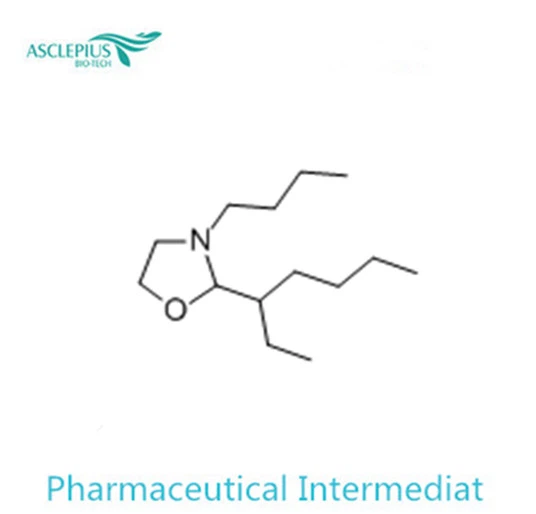
As an API supplier, we offer a wide range of APIs for different industries and use cases. Whether you're looking for 1mm,1.5mm,2mm Standard preparation board Standard PLC board Standard silica gel plate Size 200*200m, 3-BUTYL-2-(1-ETHYLPENTYL)OXAZOLIDINE CAS NO 165101-57-5, or 0.5mm,1mm,1.5mm,2mm High-efficiency Preparation Plate PLC Silica Gel Plate Preparation Plate Large Size 200*200mm, we've got you covered.
Our APIs are designed to be easy to use and integrate into your existing applications. We provide detailed documentation and support to help you get started quickly. If you're interested in using our APIs, don't hesitate to contact us for a free trial or to discuss your specific requirements.
Conclusion
Making API calls in Java is a valuable skill that can open up a world of possibilities for your applications. By following the steps outlined in this blog, you should now have a good understanding of how to make API calls in Java, handle responses, and make POST requests.
If you have any questions or need further assistance, feel free to reach out to us. We're here to help you make the most of our APIs and take your applications to the next level.
References
- Apache HttpClient Documentation
- Gson Documentation
- JSONPlaceholder API Documentation


