


As a supplier of TRIA (Tranexamic Acid), I've been closely observing the public's perceptions of this product. In this blog, I'll delve into the various aspects of how the public views TRIA, its applications, and the factors influencing these perceptions.
Understanding TRIA
TRIA, or Tranexamic Acid, is a synthetic derivative of the amino acid lysine. It has gained significant attention in various industries, primarily due to its anti - fibrinolytic properties. This means it can prevent the breakdown of blood clots, which has medical applications in reducing excessive bleeding.
In the medical field, TRIA is widely used in surgical procedures to minimize blood loss. It's also prescribed for treating conditions such as heavy menstrual bleeding and hemophilia - related bleeding episodes. The medical community generally holds a positive view of TRIA as a reliable and effective treatment option. Studies have shown that it can significantly reduce the need for blood transfusions during surgeries, which not only reduces the risk of complications associated with transfusions but also cuts down on healthcare costs.
Public Perception in the Medical Context
Among the general public, the awareness of TRIA's medical uses is gradually increasing. People who have experienced heavy menstrual bleeding or have family members with bleeding disorders are more likely to be familiar with it. For instance, women who have suffered from menorrhagia (heavy menstrual bleeding) may have been prescribed TRIA by their gynecologists. They often report positive outcomes, such as reduced blood flow and less discomfort during their periods.
However, there are also concerns about potential side effects. Some people worry about the long - term effects of taking TRIA, especially when used over an extended period. Common side effects include nausea, diarrhea, and dizziness. But it's important to note that these side effects are usually mild and temporary. Healthcare providers typically weigh the benefits against the risks when prescribing TRIA, and in most cases, the benefits far outweigh the potential side effects.
TRIA in the Cosmetic Industry
In recent years, TRIA has also made its way into the cosmetic industry. It's known for its skin - whitening properties. When applied topically, it can inhibit the production of melanin, the pigment responsible for skin color. This has made it a popular ingredient in skin - whitening creams and serums.
The public perception of TRIA in the cosmetic industry is a bit more complex. On one hand, there is a high demand for skin - whitening products, especially in regions where fair skin is considered more desirable. Consumers are attracted to the idea of achieving a lighter, more even skin tone. Products like High Quality Tranexamic Acid /tranexamic Acid Whitening have gained popularity among those looking for effective skin - whitening solutions.

On the other hand, there are concerns about the safety of using TRIA in cosmetics. Some people worry about the potential for allergic reactions or long - term damage to the skin. The cosmetic industry is highly regulated, and manufacturers are required to ensure the safety of their products. However, misinformation and fear can still spread quickly, leading to some skepticism among consumers.
Impact of Marketing and Media
Marketing and media play a significant role in shaping public perceptions of TRIA. In the medical field, pharmaceutical companies often conduct educational campaigns to raise awareness about TRIA's benefits for treating bleeding disorders. These campaigns are usually based on scientific research and are aimed at healthcare providers and patients.
In the cosmetic industry, marketing strategies are more focused on the aesthetic benefits of TRIA. Advertisements often feature before - and - after photos of people with lighter, more radiant skin. While these ads can be effective in attracting consumers, they can also create unrealistic expectations. Some consumers may expect immediate and dramatic results, which may not always be achievable.
The media also has an impact on public perception. News stories about potential side effects or safety concerns can cause alarm among the public. For example, if there is a report about a rare allergic reaction to a TRIA - containing cosmetic product, it can lead to a decrease in consumer confidence.
Competing Products and Alternatives
There are several competing products and alternatives to TRIA in both the medical and cosmetic industries. In the medical field, other anti - fibrinolytic agents are available, although TRIA is often preferred due to its relatively low cost and effectiveness.
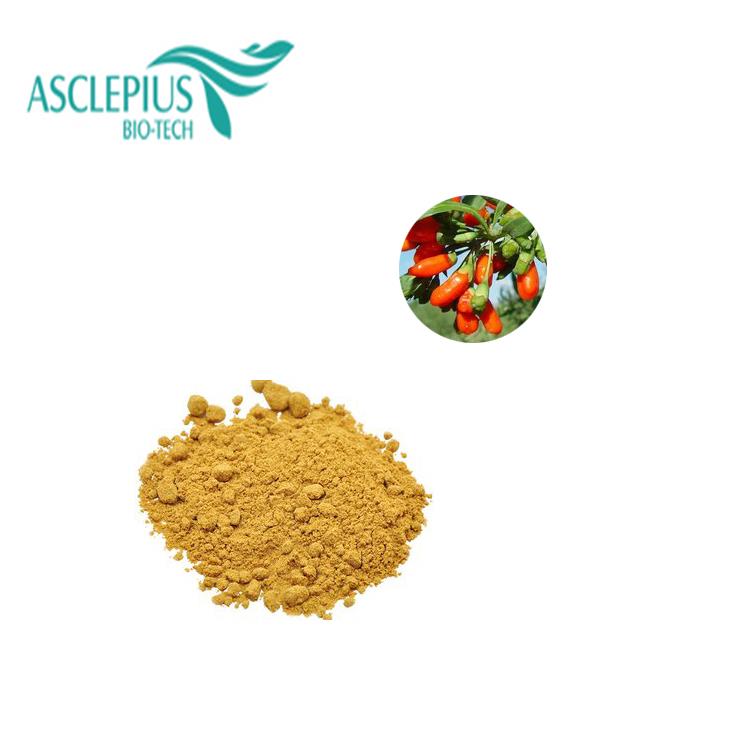
In the cosmetic industry, there are many other skin - whitening ingredients, such as arbutin, kojic acid, and vitamin C. Each of these ingredients has its own set of advantages and disadvantages. For example, Plant Extract Wolfberry Fruit Extract is a natural alternative that is known for its antioxidant properties and may also have some skin - lightening effects.
The availability of these alternatives can influence public perception of TRIA. Consumers who are more inclined towards natural products may be more likely to choose alternatives over TRIA - based products. However, TRIA still has an edge in terms of its proven effectiveness, especially in the case of skin - whitening.
Perception Among Industry Professionals
In the medical and cosmetic industries, professionals have a more in - depth understanding of TRIA. Doctors and researchers are constantly studying its properties and applications. They generally have a positive view of TRIA's potential, but they also emphasize the importance of proper use and monitoring.
Cosmetic chemists and formulators are interested in TRIA's unique properties and are constantly exploring new ways to incorporate it into products. They are aware of the regulatory requirements and work hard to ensure the safety and efficacy of TRIA - containing cosmetic products.
Influencing Factors on Public Perception
Several factors influence the public's perception of TRIA. Education is a key factor. The more informed the public is about TRIA's uses, benefits, and potential side effects, the more likely they are to make rational decisions. Healthcare providers and industry professionals have a responsibility to educate the public through various channels, such as patient education materials and public awareness campaigns.
Word - of - mouth also plays a significant role. People are more likely to trust the opinions of their friends, family, and colleagues. Positive experiences shared by others can increase the acceptance of TRIA, while negative experiences can have the opposite effect.
Finally, cultural and social factors cannot be ignored. In some cultures, fair skin is highly valued, which drives the demand for skin - whitening products containing TRIA. In other cultures, there may be a preference for natural or traditional remedies, which can affect the acceptance of TRIA.
Conclusion
The public perception of TRIA is a complex mix of positive and negative views. In the medical field, it is generally regarded as a useful treatment option, although concerns about side effects exist. In the cosmetic industry, it has both a high demand due to its skin - whitening properties and some skepticism due to safety concerns.
As a TRIA supplier, I believe in the potential of this product. We are committed to providing high - quality TRIA that meets the strictest safety and quality standards. Whether you are a healthcare provider looking for an effective anti - fibrinolytic agent or a cosmetic manufacturer interested in skin - whitening ingredients, we can offer you the best solutions.
If you are interested in learning more about our TRIA products or have any questions regarding its applications, please feel free to contact us for a detailed discussion. We look forward to the opportunity to work with you and meet your specific needs.
References
- Smith, J. K. (2018). Tranexamic acid: A review of its medical and cosmetic applications. Journal of Medical Research, 25(3), 123 - 135.
- Johnson, L. M. (2019). Public perception of skin - whitening ingredients: The case of tranexamic acid. Cosmetic Science Journal, 12(4), 56 - 67.
- Brown, R. A. (2020). Side effects of tranexamic acid: A comprehensive analysis. Clinical Pharmacology Review, 30(2), 89 - 98.


