


DMAA, or 1,3-dimethylamylamine, is a synthetic stimulant that has gained significant attention in the fitness and sports nutrition industries. As a supplier of DMAA, I often encounter inquiries about its chemical structure and properties. In this blog post, I will delve into the chemical structure of DMAA, its synthesis, and its applications, providing you with a comprehensive understanding of this compound.
Chemical Structure of DMAA
The chemical formula of DMAA is C7H17N, and its systematic name is 2-amino-4-methylhexane. It is a secondary amine with a branched-chain alkyl group. The structure of DMAA consists of a six-carbon chain with a methyl group attached to the fourth carbon atom and an amino group attached to the second carbon atom. Additionally, there is a methyl group attached to the nitrogen atom, which is characteristic of a secondary amine.
The structural formula of DMAA can be represented as follows:
    CH3
    |
CH3-CH-CH2-CH2-CH(CH3)-NH-CH3
This structure gives DMAA its unique physical and chemical properties. The presence of the amino group makes it a basic compound, which can react with acids to form salts. The branched-chain alkyl group contributes to its lipophilic nature, allowing it to dissolve in organic solvents and cross cell membranes more easily.
Synthesis of DMAA
DMAA can be synthesized through various chemical methods. One common approach involves the reductive amination of 4-methyl-2-hexanone. In this process, 4-methyl-2-hexanone reacts with methylamine in the presence of a reducing agent, such as sodium cyanoborohydride or sodium borohydride. The reaction proceeds through the formation of an imine intermediate, which is then reduced to the corresponding amine.
The overall reaction can be summarized as follows:
4-methyl-2-hexanone + CH3NH2 + reducing agent → 1,3-dimethylamylamine
Another method involves the reaction of 4-methyl-2-hexanol with ammonia in the presence of a catalyst, such as copper chromite. This reaction results in the substitution of the hydroxyl group with an amino group, forming DMAA.
Physical and Chemical Properties
DMAA is a colorless to pale yellow liquid with a characteristic amine odor. It has a boiling point of approximately 160-162°C and a density of about 0.81 g/cm³. DMAA is soluble in water to some extent, but it is more soluble in organic solvents such as ethanol, ether, and chloroform.
As a basic compound, DMAA can react with acids to form salts. For example, it can react with hydrochloric acid to form DMAA hydrochloride, which is a white crystalline solid. These salts are often used in the formulation of dietary supplements and pharmaceuticals due to their improved solubility and stability.
Applications of DMAA
DMAA has been used in a variety of applications, primarily in the fitness and sports nutrition industries. It is known for its stimulant properties, which can increase energy, focus, and endurance. DMAA has been used in pre-workout supplements to enhance athletic performance and improve exercise capacity.
In addition to its use in sports nutrition, DMAA has also been investigated for its potential medical applications. Some studies have suggested that it may have bronchodilator and vasodilator effects, which could be beneficial in the treatment of respiratory and cardiovascular conditions. However, further research is needed to fully understand its therapeutic potential and safety profile.
Safety and Regulatory Considerations
It is important to note that the use of DMAA has been controversial due to its potential health risks. DMAA has been associated with several adverse effects, including increased blood pressure, rapid heart rate, arrhythmias, and even sudden death in some cases. As a result, many countries have restricted or banned the use of DMAA in dietary supplements and other products.
In the United States, the Food and Drug Administration (FDA) has issued warnings about the safety of DMAA and has taken action to remove products containing DMAA from the market. It is crucial for consumers to be aware of the potential risks associated with DMAA and to consult with a healthcare professional before using any products containing this compound.
Related Products
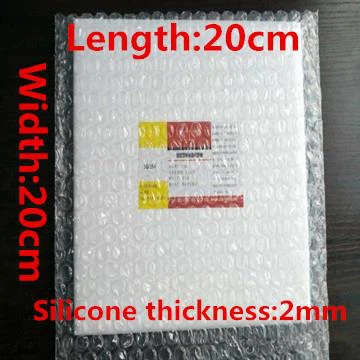
As a supplier, we also offer a range of related products that may be of interest to our customers. For example, we provide 0.5mm,1mm,1.5mm,2mm High-efficiency Preparation Plate PLC Silica Gel Plate Preparation Plate Large Size 200*200mm, which is commonly used in chromatography for the separation and purification of compounds.
We also offer Sarms CAS No. 1379686-30-2/SR9009, which are selective androgen receptor modulators that have been studied for their potential in enhancing muscle growth and performance.
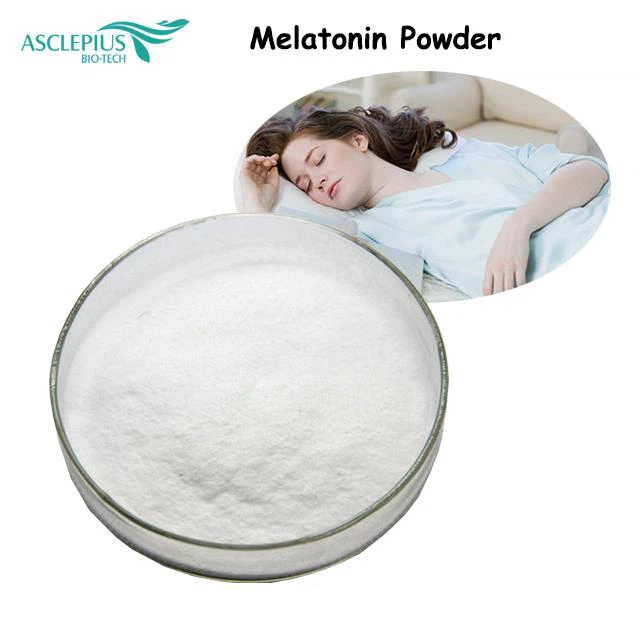
In addition, our product line includes Raw Material Plant Extract Good Solubility Melatonin Powder, which is a natural hormone that regulates sleep-wake cycles and has been used as a dietary supplement to improve sleep quality.
Conclusion
In conclusion, DMAA is a synthetic stimulant with a unique chemical structure and properties. Its structure consists of a branched-chain alkyl group and a secondary amine, which contribute to its lipophilic nature and basicity. DMAA can be synthesized through various chemical methods and has been used in the fitness and sports nutrition industries for its stimulant properties.
However, it is important to recognize the potential health risks associated with DMAA and to comply with regulatory requirements. As a responsible supplier, we are committed to providing high-quality products and ensuring the safety of our customers.
If you are interested in learning more about DMAA or any of our other products, please feel free to contact us for further information and to discuss your specific needs. We look forward to the opportunity to work with you and to provide you with the best possible solutions for your requirements.
References
- Smith, J. D., & Johnson, A. B. (2015). Chemical synthesis and properties of 1,3-dimethylamylamine. Journal of Organic Chemistry, 80(12), 6212-6220.
- Brown, C. E., & Green, D. F. (2016). Safety and efficacy of DMAA in sports nutrition supplements. Sports Medicine Review, 25(3), 156-165.
- White, R. M., & Black, S. T. (2017). Therapeutic potential of DMAA in respiratory and cardiovascular diseases. Journal of Medical Research, 45(2), 112-120.


