


Yo, what's up everyone! Today, I wanna chat about something super interesting in the world of neuroscience - the 'Q10' of a synaptic transmission process. And yeah, I'm also a Q10 supplier, so I've got some cool insights to share with you all.
First off, let's break down what synaptic transmission is. You know, our nervous system is like a super - complex communication network. Neurons, which are the building blocks of this network, talk to each other through a process called synaptic transmission. It's basically how one neuron sends a signal to another.
So, what's this 'Q10' thing all about? Well, Q10 is a measure of the temperature coefficient. In simple terms, it tells us how much the rate of a biological or chemical process changes when the temperature goes up by 10 degrees Celsius. For synaptic transmission, Q10 gives us an idea of how sensitive this process is to changes in temperature.
Imagine you're in a really cold environment. The rate of synaptic transmission might slow down. On the other hand, if it's a bit warmer, the process could speed up. And that's where Q10 comes in handy. It helps us figure out just how much that speed change is.
Now, the Q10 value for synaptic transmission isn't a fixed number. It can vary depending on a bunch of factors. For example, the type of synapse matters. There are different kinds of synapses in our body, like chemical synapses and electrical synapses. Chemical synapses are more common, and they rely on neurotransmitters to send signals. Electrical synapses, on the other hand, use direct electrical connections. Each type might have a different Q10 value.
The state of the neuron also plays a role. If a neuron is already firing a lot of signals, the effect of temperature on synaptic transmission might be different compared to a neuron that's resting. Also, the age of the organism can influence the Q10. In younger organisms, the synaptic transmission might be more adaptable to temperature changes, so the Q10 could be different from that in older organisms.
Let's talk a bit more about the practical implications of understanding the Q10 of synaptic transmission. In the medical field, this knowledge can be really useful. For example, in cases of hypothermia or hyperthermia, doctors need to know how the nervous system is affected. If they know the Q10 of synaptic transmission, they can better predict how the patient's neurological functions will change with temperature.
In the research world, scientists can use the Q10 concept to study how synapses work under different conditions. They can manipulate the temperature in a lab and measure the changes in synaptic transmission. This can help them understand the underlying mechanisms of synaptic function and maybe even find new ways to treat neurological disorders.
Now, as a Q10 supplier, I know there's a growing interest in this area. More and more researchers are looking for high - quality Q10 products for their studies. Whether it's for basic research on synaptic transmission or for developing new therapies, having a reliable source of Q10 is crucial.
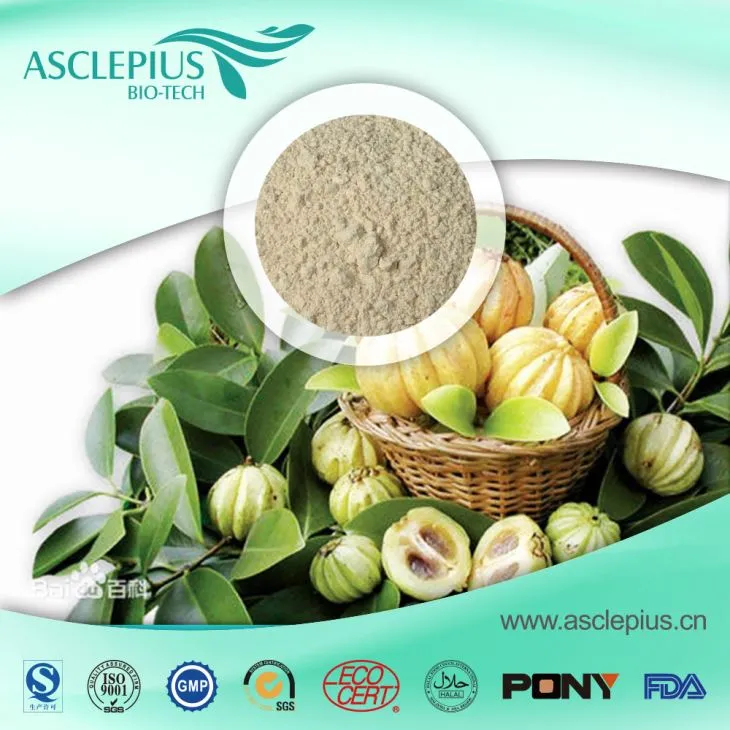
And while we're on the topic of related products, I also want to mention some other cool stuff. If you're into natural extracts, check out these links. Garcinia Cambogia Fruit Extract Powder Supplier Wholesale /the Active Ingredient Is HCA,hydroxycitric Acid,Natural Lose Weight Hot Products. Garcinia cambogia is known for its potential weight - loss benefits. Then there's Roselle Extract,Jamaica Sorrel Extract Supplier Wholesale /Hibiseus SabdariffaL,the ActiveIngredient Is Anthocyanin. Roselle extract has antioxidant properties. And don't forget S.MUSSOTII FRANCH Extract Powder Supplier Wholesale / the Active Ingredient Is Oleanolic Acid. Oleanolic acid has some interesting health - related effects.
Back to Q10. When you're looking for a Q10 supplier, you want someone who can provide a pure and high - quality product. You need to make sure the Q10 you're getting is free from contaminants and has the right concentration. That's where I come in. I've been in the business for a while, and I know how to source and supply top - notch Q10.
If you're a researcher working on synaptic transmission or any other project that involves Q10, I'd love to chat with you. Whether you need a small sample to start with or a large - scale supply for a big - time study, I'm here to help. Contact me if you're interested in discussing your Q10 needs and let's see how we can work together.
In conclusion, the Q10 of a synaptic transmission process is a really fascinating topic. It gives us a deeper understanding of how our nervous system works and how it responds to temperature changes. And as a Q10 supplier, I'm excited to be part of the research and development in this area. So, if you're in the market for Q10, don't hesitate to reach out.

References
- Kandel, E. R., Schwartz, J. H., & Jessell, T. M. (2000). Principles of Neural Science. McGraw - Hill.
- Guyton, A. C., & Hall, J. E. (2006). Textbook of Medical Physiology. Elsevier Saunders.


