


What is the role of an HCA in a respiratory care unit? Well, I'm in the business of being an HCA supplier, so I've got a pretty good handle on this. Let's dive right in and break down what these HCAs do in a respiratory care unit.
First off, what's an HCA? HCA stands for Healthcare Assistant. In a respiratory care unit, these folks are like the unsung heroes. They're the ones who are on the ground, doing the day - to - day tasks that keep the unit running smoothly.
One of the main roles of an HCA in a respiratory care unit is patient care. They help patients with their basic needs. This includes things like helping them eat, drink, and use the restroom. You might think these are small things, but for patients with respiratory issues, even these simple tasks can be a real challenge. They're also responsible for keeping the patients' living areas clean. A clean environment is super important in a respiratory care unit because patients with breathing problems are more susceptible to infections.
HCAs also play a crucial role in monitoring patients. They keep an eye on the patients' vital signs, like their heart rate, blood pressure, and oxygen levels. They note any changes in these signs and report them to the nurses or doctors right away. For example, if a patient's oxygen levels start to drop, it could be a sign of a serious problem, and the HCA needs to let the medical team know ASAP.
Another key part of their job is assisting with respiratory treatments. They help patients use their inhalers or nebulizers correctly. They make sure the patients understand how to take their medications and follow the treatment plans. Sometimes, they even have to help with more complex treatments, like setting up oxygen therapy equipment.
Now, let me tell you a bit about the importance of having good - quality HCAs in a respiratory care unit. When HCAs are well - trained and dedicated, it can really improve the patients' outcomes. Patients feel more comfortable and cared for, which can have a positive impact on their mental health as well as their physical health. And as an HCA supplier, I know how important it is to provide the right kind of support to these HCAs.
We need to make sure they have access to the best resources and training. That's why I'm also into providing other related products. For instance, we have some great herbal extracts that can be beneficial for overall health. Check out our Pomegranate Peel Extract Powder Supplier Wholesale /the ActiveIngredient Is Ellagic Acid. Ellagic acid has some antioxidant properties, which can be good for the immune system. And if patients in a respiratory care unit have a stronger immune system, it can help them fight off infections better.
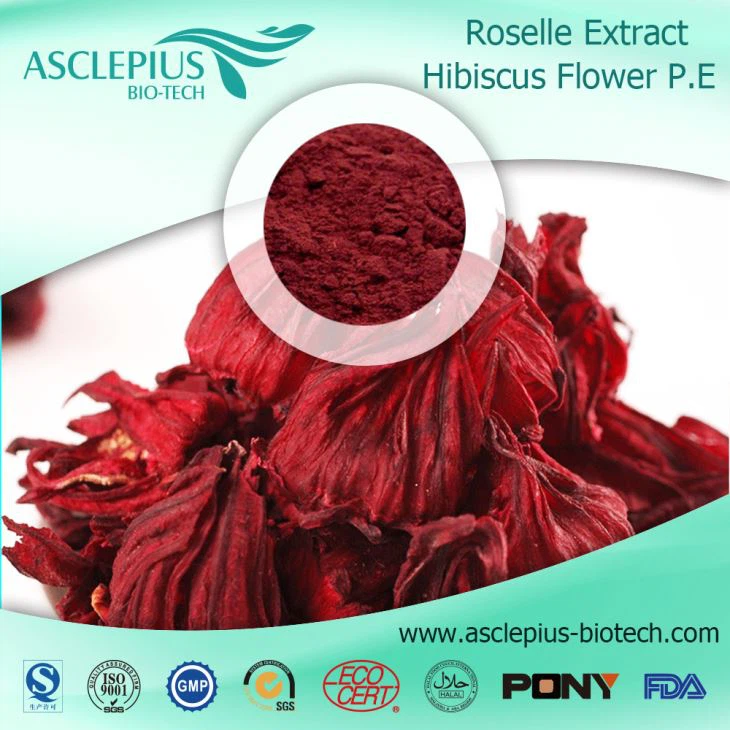
We also offer Roselle Extract,Jamaica Sorrel Extract Supplier Wholesale /Hibiseus SabdariffaL,the ActiveIngredient Is Anthocyanin. Anthocyanin is known for its anti - inflammatory properties. In a respiratory care unit, reducing inflammation can be really helpful for patients with breathing difficulties.
And then there's our Magnolia Bark Extract Powder Supplier Wholesale/ the Active Ingredients Are Honokiol,magnolol. These active ingredients have been studied for their potential benefits in promoting relaxation and reducing stress. For patients in a respiratory care unit, stress can actually make their breathing problems worse, so anything that can help with stress reduction is a plus.
HCAs also need to be good at communicating. They work closely with the other members of the medical team, including nurses, doctors, and respiratory therapists. They need to be able to clearly convey information about the patients' conditions and any concerns they might have. This teamwork is essential for providing the best possible care to the patients.

In addition to patient - related tasks, HCAs in a respiratory care unit also have to handle some administrative work. They keep records of the patients' care, including what treatments were given, when they were given, and how the patients responded. These records are important for the continuity of care and for making sure that the patients are getting the right treatments over time.
HCAs also need to be empathetic. Patients in a respiratory care unit are often scared and in pain. They need someone to listen to them and make them feel better. A kind word or a reassuring touch from an HCA can go a long way in making the patients feel more at ease.
As an HCA supplier, I'm always looking for ways to improve the products and services I offer. I know that the role of an HCA in a respiratory care unit is multi - faceted, and I want to support them in every way I can. Whether it's through providing high - quality training materials or related products like the herbal extracts I mentioned earlier.
If you're in the business of running a respiratory care unit or you're looking for HCA supplies, I'd love to have a chat with you. We can discuss how my products and services can fit your needs. Contact me to start a conversation about how we can work together to provide the best care for patients in respiratory care units.
References
- "Respiratory Care Basics" - A general guide on respiratory care practices.
- "The Role of Healthcare Assistants in Specialized Care Units" - A research paper on the functions of HCAs in different medical settings.
- "Herbal Extracts and Their Health Benefits" - A study on the potential health benefits of various herbal extracts.


