


Taxol, also known as paclitaxel, is a well - recognized chemotherapy drug that has made significant contributions to the field of oncology. As a taxol supplier, I am deeply involved in providing this life - saving medication to the medical community. In this blog, I will explore the various types of cancer that taxol can treat.
Ovarian Cancer
Ovarian cancer is a particularly challenging disease, often diagnosed at an advanced stage. Taxol has emerged as a cornerstone in the treatment of ovarian cancer. It works by interfering with the normal function of microtubules, which are essential for cell division. Cancer cells rely on rapid cell division to grow and spread, and taxol disrupts this process, leading to the death of cancer cells.
In clinical practice, taxol is often used in combination with platinum - based drugs such as cisplatin or carboplatin. This combination therapy has been shown to significantly improve progression - free survival and overall survival rates in patients with advanced ovarian cancer. For example, in a large - scale clinical trial, patients treated with taxol and carboplatin had a higher response rate and longer time to disease progression compared to those treated with single - agent chemotherapy.
Breast Cancer
Breast cancer is one of the most common cancers among women worldwide. Taxol plays a crucial role in both early - stage and advanced breast cancer treatment. In the adjuvant setting (after surgery to prevent recurrence), taxol is often included in chemotherapy regimens. It helps to kill any remaining cancer cells that may be present in the body, reducing the risk of cancer recurrence.
For patients with metastatic breast cancer, taxol can be used as a single agent or in combination with other drugs. It has been shown to be effective in shrinking tumors, relieving symptoms, and improving the quality of life. Taxol can also be administered in different formulations, such as nanoparticle - albumin - bound paclitaxel, which has better tolerability and may enhance the delivery of the drug to cancer cells.
Lung Cancer
Lung cancer is the leading cause of cancer - related deaths globally. Taxol has shown efficacy in both non - small cell lung cancer (NSCLC) and small cell lung cancer (SCLC), although it is more commonly used in NSCLC. In NSCLC, taxol is often combined with other chemotherapy drugs or targeted therapies.
The combination of taxol and carboplatin is a standard first - line treatment for patients with advanced NSCLC who are not eligible for targeted therapy. Taxol helps to inhibit the growth of cancer cells in the lungs and can also reduce the spread of the disease to other parts of the body. In some cases, taxol can be used in combination with radiation therapy, a treatment approach known as chemoradiation, to improve local control of the tumor.
Head and Neck Cancer
Head and neck cancers, which include cancers of the mouth, throat, and larynx, can be difficult to treat due to their location and the potential for affecting vital functions such as speech and swallowing. Taxol has been incorporated into treatment regimens for head and neck cancer, either as a neoadjuvant therapy (before surgery) or as a palliative treatment for advanced disease.
As a neoadjuvant therapy, taxol can shrink tumors, making them more amenable to surgical removal. In advanced head and neck cancer, taxol can be used in combination with other chemotherapy drugs and radiation therapy to improve local control and overall survival. Clinical studies have shown that taxol - based chemotherapy can lead to significant tumor regression and improved quality of life in patients with head and neck cancer.
Gastric Cancer
Gastric cancer is a major health problem, especially in certain regions of the world. Taxol has shown some promise in the treatment of gastric cancer. It can be used in combination with other chemotherapy drugs such as fluorouracil and cisplatin.
In advanced gastric cancer, taxol - based chemotherapy can help to control tumor growth, relieve symptoms such as pain and nausea, and improve survival rates. However, more research is needed to optimize the use of taxol in gastric cancer treatment, including identifying the most effective combination regimens and patient subgroups that are most likely to benefit.
Other Cancers
Taxol may also have potential in the treatment of other types of cancer, although its use in these cancers may be less well - established. For example, it has been investigated in the treatment of pancreatic cancer, prostate cancer, and bladder cancer.
In pancreatic cancer, which is known for its poor prognosis, taxol - based chemotherapy may offer some benefit in combination with other drugs. In prostate cancer, taxol may be used in patients with hormone - refractory disease. And in bladder cancer, it can be part of chemotherapy regimens for advanced or metastatic disease.
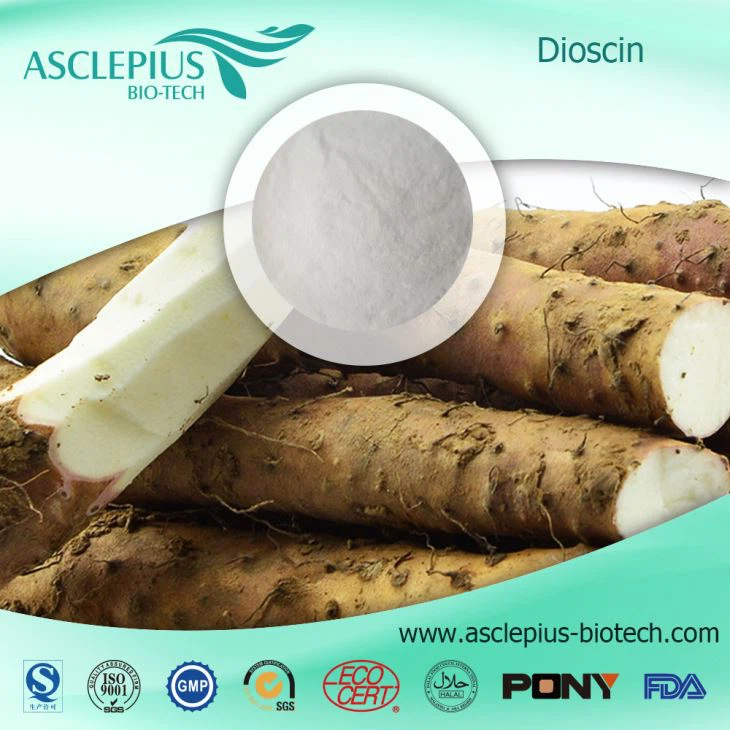
As a taxol supplier, I understand the importance of providing high - quality taxol to support cancer treatment. In addition to taxol, we also offer other herbal extracts that may have potential anticancer properties. For example, we are a Wild Yam Root Extract Powder, The Active Ingrediants Are Diosgenin,dioscin 95% Supplier Wholesale. Wild yam root extract has been studied for its potential role in cancer prevention and treatment.
We are also a Sophora Flavescens Extract Supplier Wholesale/ Active Ingrediants Is Oxymatrine,Matrine. Sophora flavescens extract contains active ingredients such as oxymatrine and matrine, which have shown some anticancer effects in pre - clinical studies.
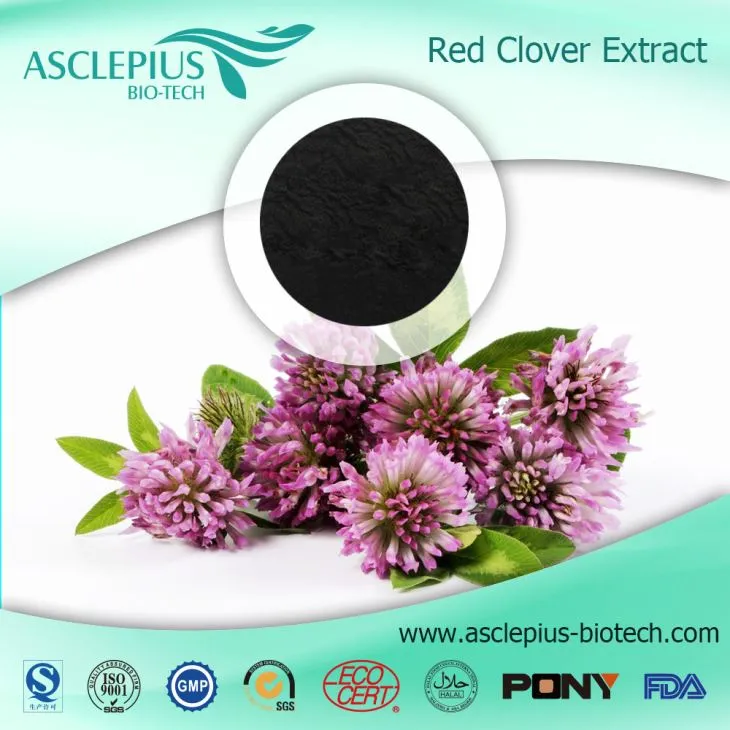
Moreover, we are a Red Clover Extract,the Active Ingrediants Is Isoflavones,formononetin supplier Wholesale. Red clover extract, with its isoflavones and formononetin, may have potential in cancer treatment and prevention.
If you are interested in purchasing taxol or any of our other herbal extracts for research or clinical use, we encourage you to contact us for further discussion. We are committed to providing the best products and services to support the fight against cancer.
References
- National Comprehensive Cancer Network (NCCN) Guidelines for Ovarian Cancer.
- American Society of Clinical Oncology (ASCO) Guidelines for Breast Cancer Treatment.
- International Association for the Study of Lung Cancer (IASLC) Guidelines for Lung Cancer Management.
- Head and Neck Cancer Alliance Guidelines for Head and Neck Cancer Treatment.
- Gastric Cancer Foundation Research Reports on Gastric Cancer Treatment.


